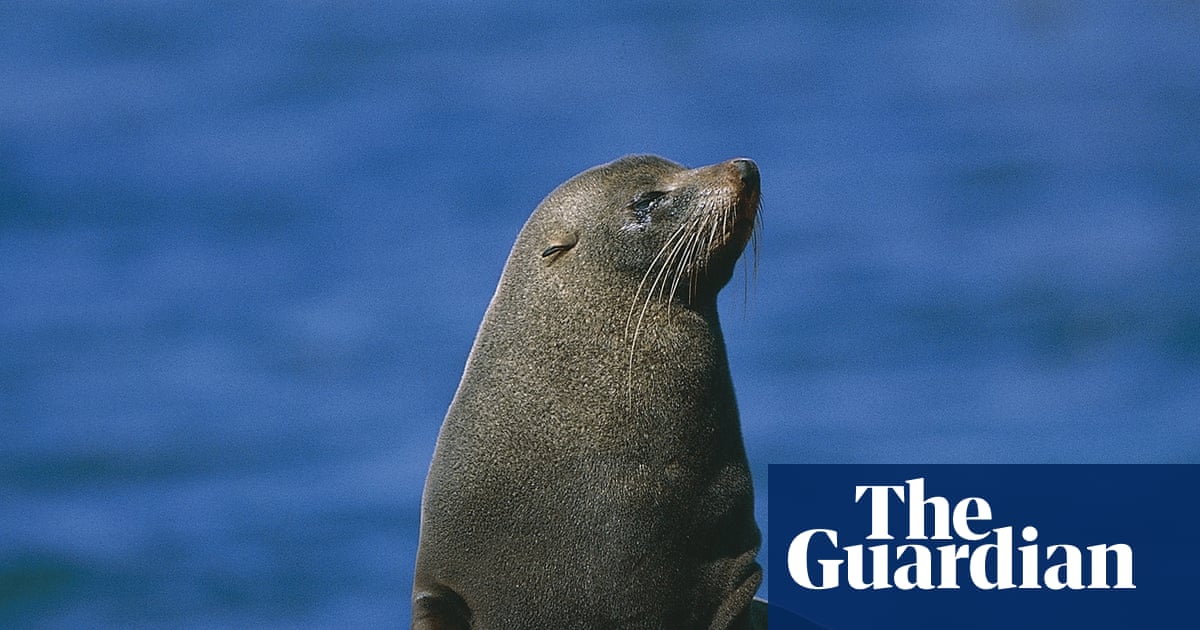
Scientists have warned that the detection of H5 bird flu in long-nosed fur seals in South Australia could lead to ‘carnage’ for the country’s seal and sea lion populations. The virus has already been confirmed in a dead long-nosed fur seal found at Beachport on the Limestone Coast, with a second suspected case reported on the Pages Islands, off Kangaroo Island.
Leading mammal scientist John Woinarski fears the virus will quickly spread to more seals and sea lions, particularly the endangered Australian sea lion, which has a population of just 12,000. ‘The carnage may be substantial and represent a serious conservation impact,’ he said. ‘I fear for Australian sea lions in particular because of their small population size.’
The H5 bird flu has already caused catastrophic losses in pinniped populations in South America and sub-Antarctica. In 2023, it killed over 17,000 southern elephant seal pups in Argentina, and drone surveys detected over 13,000 dead southern elephant seal pups on Australia’s Heard Island in 2025 and 2026. Experts warn that the virus could have a similar impact on Australia’s seal and sea lion populations.
The Australian government has rated all three types of pinnipeds that breed in Australian waters – the long-nosed fur seal, the Australian fur seal, and the endangered Australian sea lion – as being at very high risk from H5 bird flu. The virus can be transmitted from birds to seals or between seals, and the environment itself can also be contaminated with the virus.
While there are no registered vaccines for treating H5 bird flu in mammals, the South Australian government is investigating potential opportunities to vaccinate high-priority at-risk mammals, such as Australian sea lions at Seal Bay on Kangaroo Island. The Australian Marine Conservation Society has called for increased funding to target other threats to the species, such as fishing, and warned that the arrival of bird flu in SA follows significant environmental harm caused by the algal bloom.
Experts warn that the mortality rates seen in South America and the Southern Ocean make them ‘very worried’ about the potential impact on Australia’s seal and sea lion populations. ‘There’s only 12,000 Australian sea lions in existence,’ said Jane Younger, an Antarctic disease ecologist at the University of Tasmania. ‘Hopefully it doesn’t wipe out the species, but that’s a possibility.’