China’s economy is showing signs of extending a slowdown, with a slump in industrial output and retail sales in July, adding to pressure on Beijing to intervene with measures to support activity. The latest figures suggest that the world’s second-largest economy continued to falter in July, after posting one of its lowest quarterly growth readings on record in the three months to June.
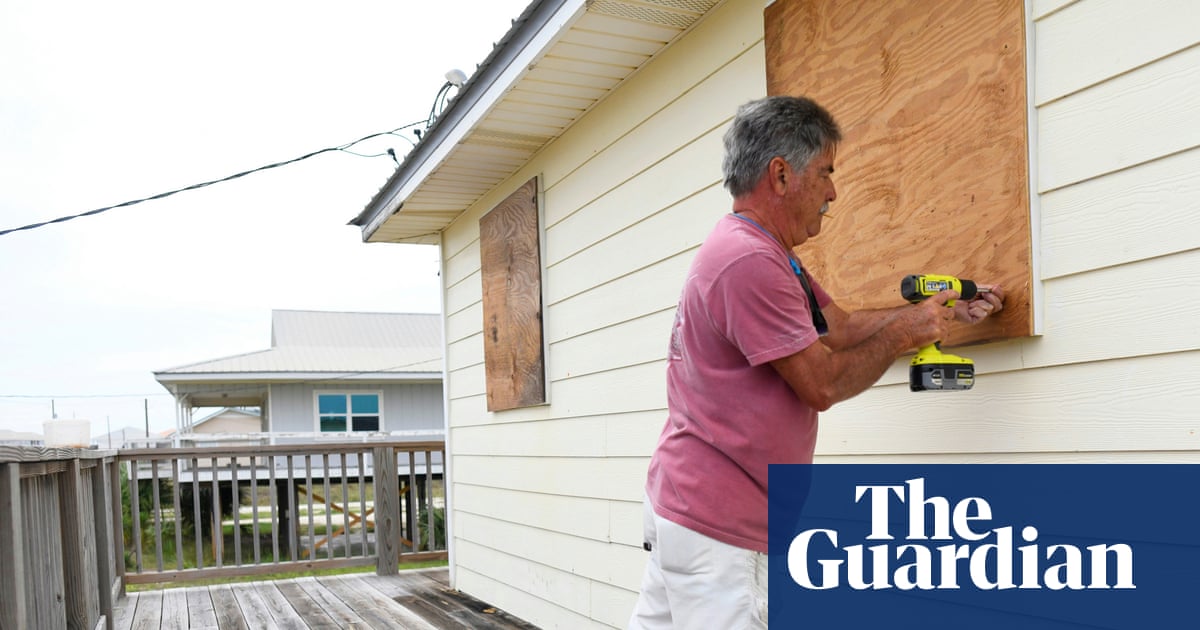
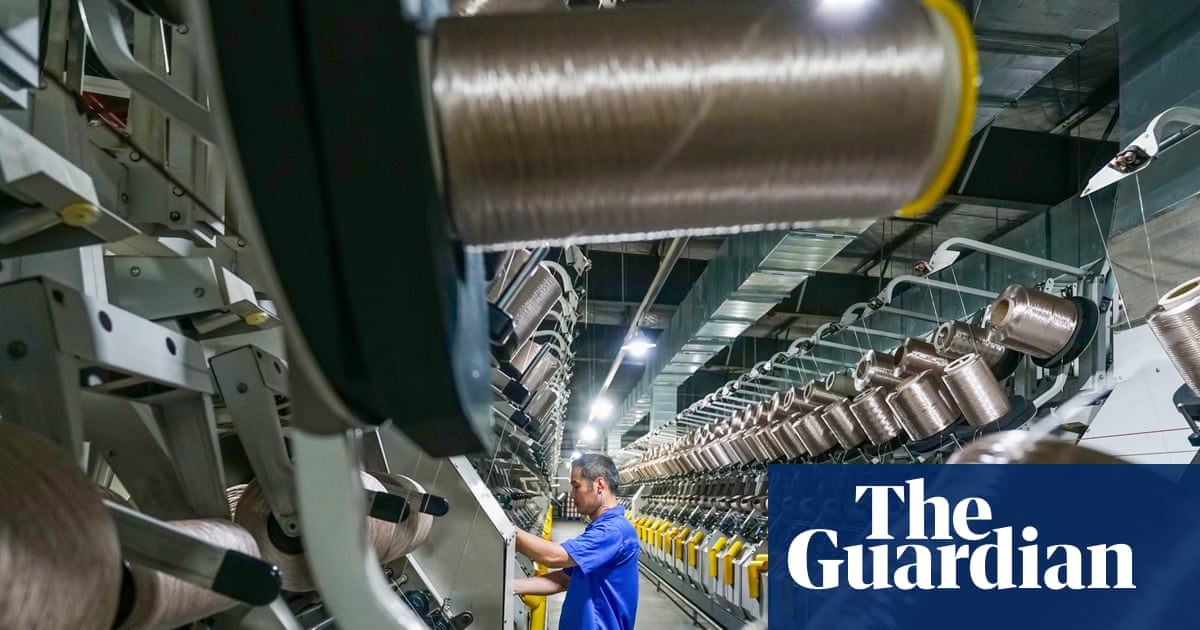
Factory output grew 4.5% from a year earlier last month, compared with 5.3% in June, missing a Reuters poll forecast for 4.8% growth. Separate figures showed retail sales grew 0.6%, a slowdown from a 1% rise in June despite summer holiday tourism spending. Forecasters had predicted 1.5%. The National Bureau of Statistics (NBS) attributed the decline to extreme weather, including high temperatures and heavy rainfall, which disrupted market supply and demand.
The latest snapshot is likely to increase pressure on policymakers to accelerate plans for tax and spending measures to support activity. China’s premier, Li Qiang, suggested on Monday that efforts to bolster overseas demand for goods could be used to make up for weak domestic demand. Li told a meeting of China’s state council that the country should actively stabilise external demand, expand mutually beneficial international economic and trade cooperation, and promote balanced trade development.
Analysts expect stronger growth rates later this year, supported by spending measures from Beijing to increase activity. Julian Evans-Pritchard, the head of China economics at the consultancy Capital Economics, noted that the boost to manufacturing activity from AI capex continued to build, and that the wider weakness partly reflects temporary disruptions from recent typhoons. He expects a modest uptick in growth over the rest of the year, supported by fiscal loosening.
The latest slowdown comes after China posted a worse-than-expected annualised growth rate of 4.3% in the three months to June, one of its lowest quarterly readings on record. The rate, which came in under the government’s target of 4.5% to 5%, was one of the weakest since Beijing began reporting official quarterly GDP data in the early 1990s.