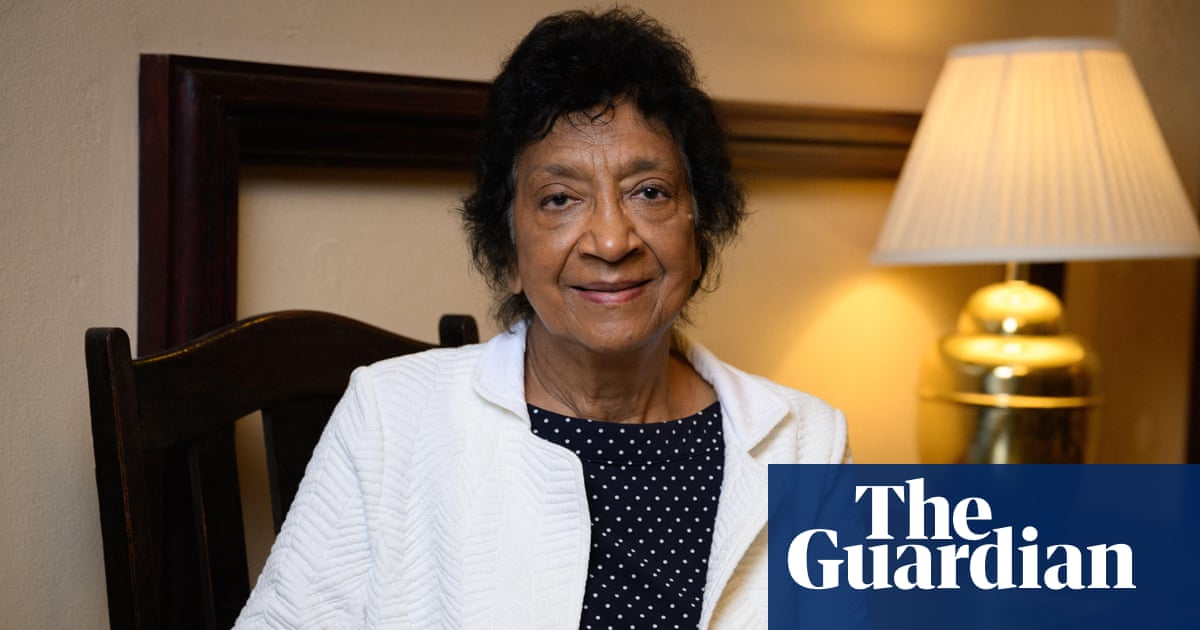
A Peruvian cardinal who received death threats for challenging the firm behind a toxic smelter has hailed a $150m out-of-court settlement for over 1,300 people allegedly poisoned by the plant as children as a ‘historic milestone’. Cardinal Pedro Barreto, 82, was in Rome meeting Pope Leo XIV and other cardinals in June when he received news that the firm that ran the smelter, the Doe Run Company, a subsidiary of Renco Group, would pay $150m to 1,373 Peruvians who have suffered health impacts since childhood.
The settlement brings to a close one of the longest-running civil lawsuits against a multinational corporation in one country for environmental pollution or toxic exposure that caused injury or damage in another country. Schlichter Bogard, a St Louis-based law firm, alleged that Doe Run failed to reduce lead emissions at the Peruvian multi-metal smelter, resulting in permanent injuries and harm. Doe Run Resources Corporation, which has its headquarters in St Louis, did not admit wrongdoing in agreeing to the settlement.
What began in 2007 in state court on behalf of 17 Peruvian children grew into a federal court case with more than 1,373 plaintiffs, now young adults. Each could receive at least $100,000 from the payout. Jerry Schlichter, the founder and co-managing partner of the law firm, described the payout as a ‘historic tipping point in that the American companies in this case have been held responsible for their actions in another country to foreign citizens who are not US residents’.
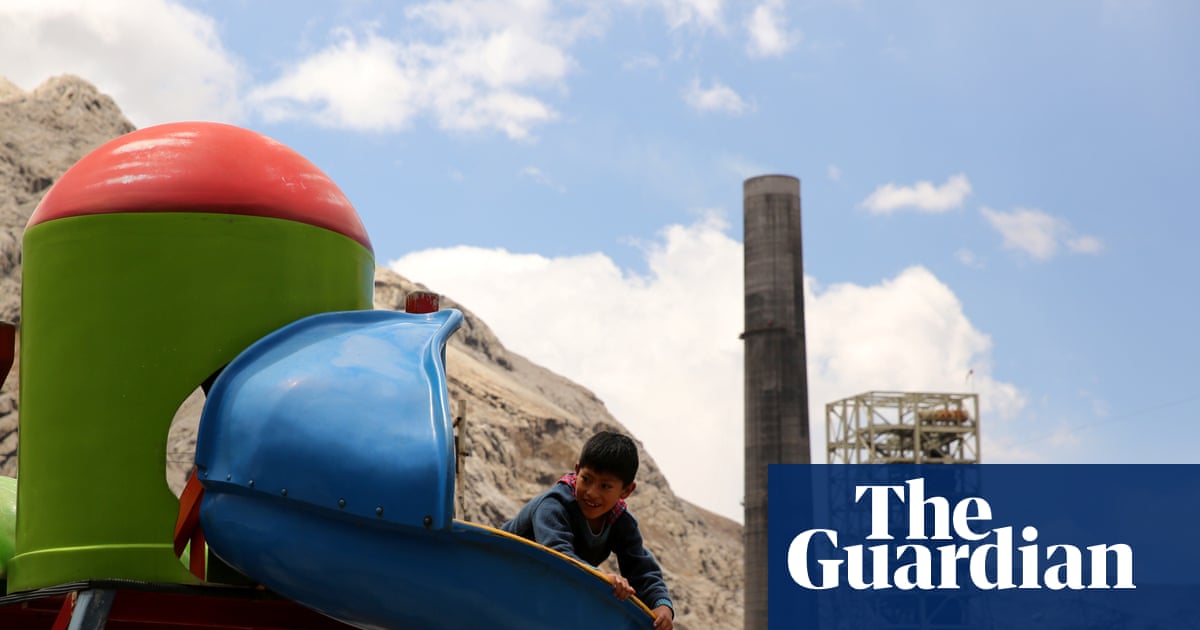
Cardinal Barreto led a nearly two-decade campaign to hold the US company to account for the severe health impacts on the population of the Andean town of La Oroya, which the Blacksmith Institute, a US-based environmental NGO now known as Pure Earth, in 2007 listed as one of the world’s 10 most polluted places. Barreto faced death threats and harassment, often from employees at the smelter who feared losing their livelihoods, after he began his activism in 2004.
The New York-based Renco Group and its founder, Ira Rennert, 92, made a fortune in the 1980s junk-bond market before developing an empire of mining companies, smelting plants and industrial firms. According to Forbes in 2024, his worth is estimated at $3.8bn. In a statement, Doe Run’s chief executive, Matt Wohl, said: ‘We elected to put this behind us and focus on what matters – running our business, serving our customers and investing in new technologies.’
Cardinal Barreto stressed that it was the local population who deserved recognition. ‘We have had to endure just a little of the immense suffering they constantly face,’ he said. ‘This is a historic milestone, but this long-awaited justice doesn’t solve the problem faced by many children who were personally affected, especially neurologically. The money will not compensate for the harm they have suffered, but it is a sign that justice has been served.’