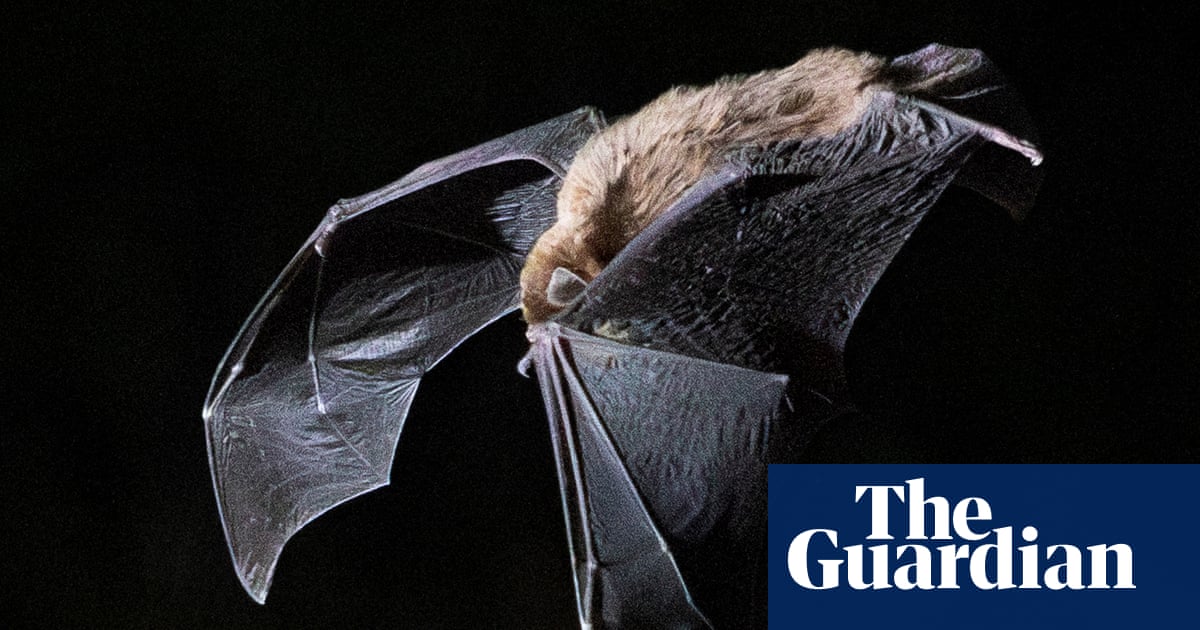
A sudden decline in the population of critically endangered southern bent-wing bats in Australia has left experts concerned, with a drop of up to 16% recorded at Naracoorte’s ‘bat cave’ this summer. The cave, one of three maternity sites for the species, typically sees a peak population of around 28,600 adults, but last summer, that number fell by about 14-16%, with approximately 5,000 fewer bats than usual.
The southern bent-wing bat, a tiny russet-toned microbat, roosts in caves and forages for insects over long distances across south-west Victoria and south-east South Australia. Through summer, the Naracoorte cave in South Australia becomes home to the largest population when the bats return to give birth and raise their young.
According to Nicola Bail, a bat ecologist who coordinates the species recovery team at Zoos Victoria, ‘We’ve lost quite a lot of the adults.’ The cause of this decline is unknown, but it is particularly concerning given the numerous threats operating in the range of the southern bent-wing bat.
Population counts at the World Heritage listed site date back to the 1960s, when as many as 200,000 bats were recorded. Severe declines since then have seen southern bent-wing bats listed as one of Australia’s eight critically endangered mammals. Despite their resilience, the recent drop, which includes some of the lowest male survival rates in a decade, would have long-term ramifications.
The bats play an invaluable role in controlling agricultural pests and insects that spread disease, and efforts are being made to restore their habitats and food supply. A federally funded project is working with landowners to restore caves and replant corridors of native grasses and flowering natives, which will help boost the food supply for the bats.
Conservationists are calling for more people to get involved in habitat restoration on their properties to support the bats, with the recent decline pushing the species closer to extinction. Southern bent-wing bats are unique to the area, with a history dating back around 500,000 years, and conservation efforts are essential to ensure their survival.