Extreme rainfall across Asia has brought devastating flash floods and typhoons, leaving a trail of destruction and loss of life in its wake. In Afghanistan, torrential rains and flash floods have wiped out villages and towns, leaving at least 31 people dead and hundreds missing. Anar Gul, a construction worker from the remote district of Dur Baba in eastern Afghanistan, described the rain as non-stop for 10 days and 10 nights, saying he had never seen anything like it.
The heavy rains have destroyed homes and crops, with many families left without access to basic necessities like food and shelter. Sayed Afsar Sadat, a resident of Dur Baba, said that the rains were coming heavier and earlier each year, destroying roads and washing away crops. It’s been a similar picture in neighbouring countries, with the monsoon rains sparking chaos across the region.
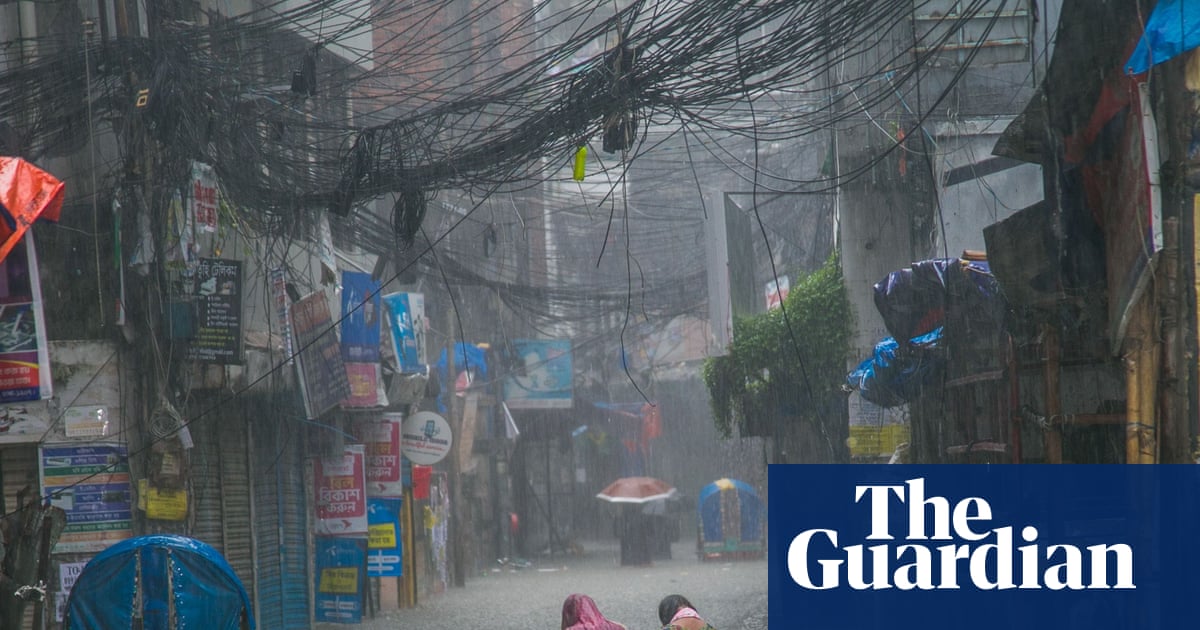
India, Bangladesh and Pakistan have all seen erratic, sudden heavy dumps of water. In Bangladesh, the city of Chattogram, on the south-eastern coast, received a record 412.3mm of rainfall in 24 hours in early July, leading to a flash flood that swept through the Banshkhali district. Jesmin Akter, a resident of the district, said that the flood took everything they had, including their poultry, paddy field, and house.
Akter carried her six children through chest-deep water to her mother’s house, where they stayed in crowded conditions for over a week until the water receded. The extreme weather has not been limited to these countries, with South Korea swinging between heatwave and downpour, and Japan and Vietnam experiencing torrential rain that has led to landslides. China has seen bouts of extreme rainfall since the flood season began in April, with more than 600 rivers rising above warning levels.
In the south-western city of Chongqing, a huge landslide after torrential rain killed at least 11 people and left 50 missing. Taiwan has also seen a rise in extreme rainfall, with repeated downpours causing more than NT$330m (about US$10.2m) in agricultural losses across the island. The extreme weather across the region can clearly be linked to climate change.
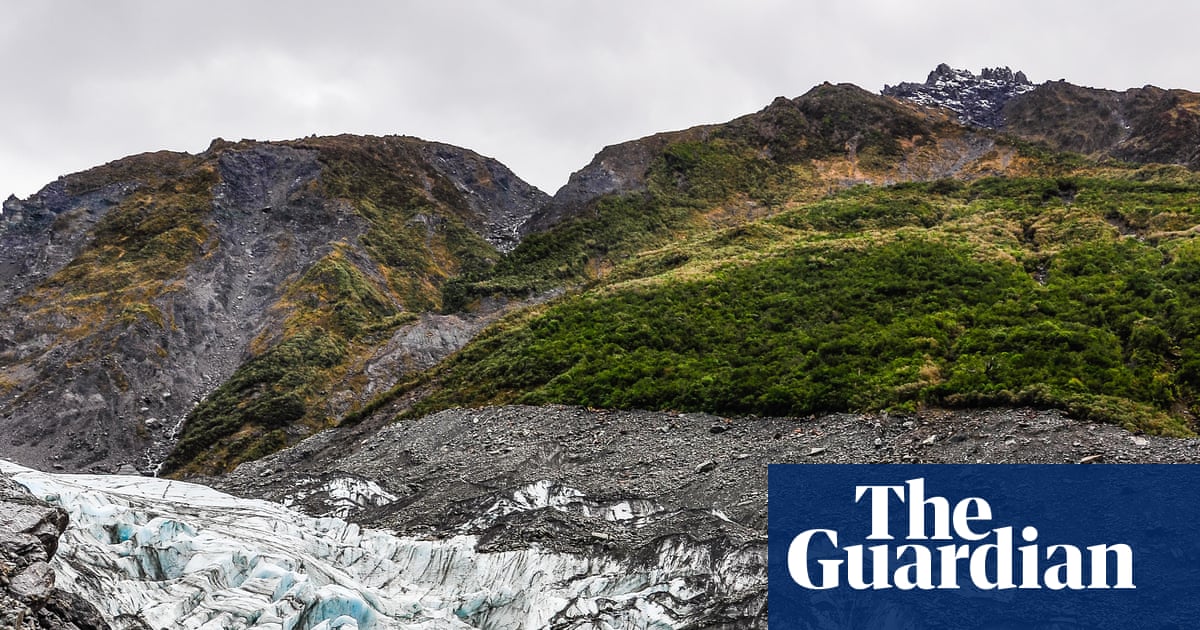
Climate scientists have long predicted that large areas of Asia will disproportionately suffer from more intense heat, humidity and drought as a result of climate disruption caused by the burning of gas, oil and coal. The most recent report by the United Nations’ Intergovernmental Panel on Climate Change said rising temperatures raise the threat of ‘floods in monsoon regions in south, south-east and east Asia, and glacier melting in the Hindu Kush Himalaya region’. Dr Hosam Faysal, the head of the International Federation of Red Cross and Red Crescent Societies’ country delegation in Afghanistan, said that these are the very real, humanitarian effects of a changing climate, and urged governments to ensure there was more investment in locally-led preparedness and mitigation in order to reduce the loss of life and suffering before climate-related disasters happened.