The United States is set to impose a 25% tariff on certain imports from Brazil, effective July 22, citing unfair trade practices by the South American nation. The tariffs, first proposed last month, were announced by senior Trump administration officials who spoke on condition of anonymity ahead of a formal notice posting.
The decision comes after a yearlong investigation by the Office of the U.S. Trade Representative, which found Brazil to be engaging in a range of unfair trade practices, including lax anti-corruption enforcement and unfair tariffs of its own. Despite having a goods trade surplus with Brazil for years, the U.S. has long aired concerns about the trade relationship, which officials say were not adequately addressed by the Brazilian government.
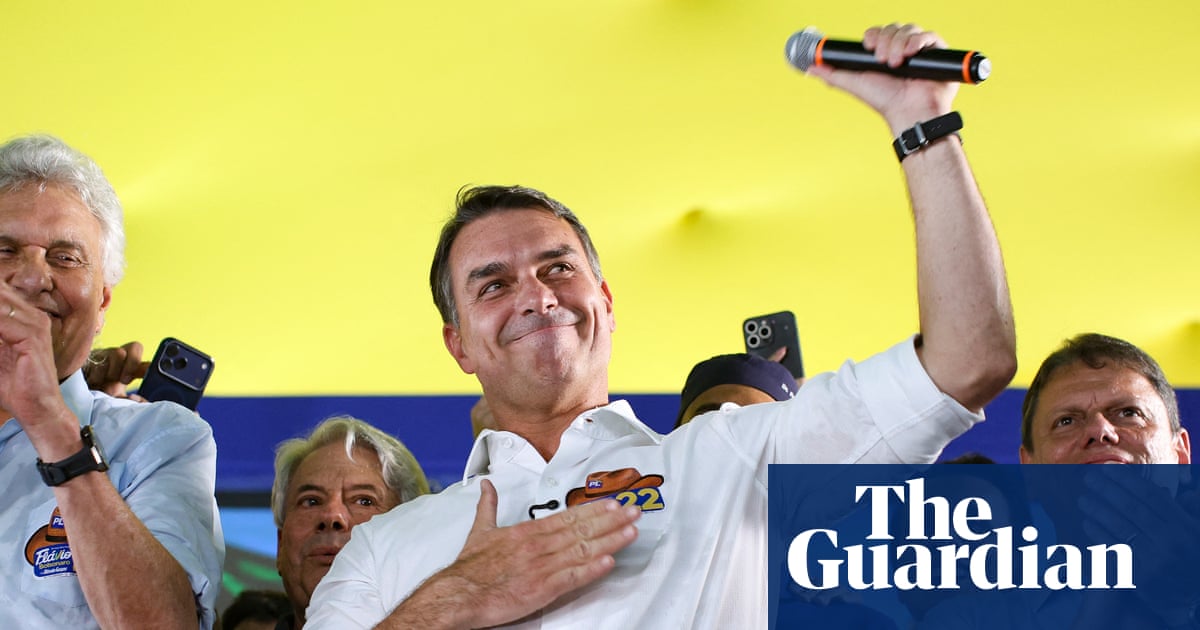
The tariffs will exempt certain goods not produced in the U.S. or those that could disrupt supply chains, including coffee, beef, oranges and orange juice, some oil and gas energy products, and aerospace parts and components. Brazilian President Luiz Inácio Lula da Silva had previously reacted with indignation to the proposed tariffs, blaming political considerations and pointing to a visit by his rival, Sen. Flávio Bolsonaro, to Washington.
Senior Trump administration officials dismissed the notion that politics played a role in the decision, citing the long-standing grievances in the trade relationship. They noted that the U.S. had given Brazil’s government time to address the issues, but only began having constructive meetings in the last six weeks, with insufficient progress made.
The tariffs are being imposed under Section 301 of the Trade Act of 1974, which allows the U.S. to launch investigations into trade practices. The move comes after the U.S. Supreme Court ruled against many of Trump’s tariffs imposed under a different law, the International Emergency Economic Powers Act (IEEPA) of 1977, finding that he overstepped his authority.
The U.S. had previously imposed a 50% tariff on Brazil under the IEEPA, but the relationship between Trump and Lula appeared to improve in May, when Lula visited the White House.