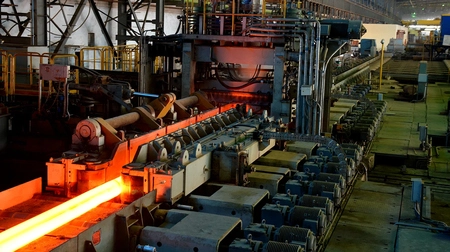
The government has released a draft National Steel Policy 2047 that sets a goal of increasing India’s crude steel production to 604 million tonnes by 2047, roughly tripling the current 220 million‑tonne capacity.
The policy also outlines a roadmap to cut carbon‑emission intensity in the steel sector to about 1.54 tonnes of CO2 per tonne of crude steel by 2047, down from 2.54 tonnes today, aligning with India’s net‑zero target for 2070. To meet the projected demand, the plan calls for greater availability of iron ore and coking coal—raw materials that account for more than 65‑70% of steel‑making costs.
Finished‑steel demand is projected to reach 505 million tonnes in 2047, with per‑capita consumption rising to 302 kilograms. The expansion is expected to lift exports by 45 million tonnes. Iron ore demand will climb to 772 million tonnes from 299 million tonnes in 2025, while coking coal demand is forecast to triple to 236 million tonnes.
The draft proposes securing high‑grade iron ore through overseas assets and joint ventures, expanding slurry pipelines, and improving domestic supply chains. It also calls for reducing import dependence on coking coal by developing domestic mining, expanding washeries, and using AI to optimise coal blends. Energy‑efficiency upgrades, increased renewable electricity use, scrap‑based and hydrogen‑based technologies, and carbon capture will accompany capacity growth. Digital transformation, Industry 4.0 adoption, and international cooperation on raw‑material diversification and technology exchange are also highlighted.