Quebec voters head to the polls in provincial elections that are expected to bring the Parti Québécois (PQ) into power for the first time in more than a decade. A PQ victory would trigger a promise to hold a referendum on independence within the next two years, potentially reigniting debates over language and identity between the province and the federal government.
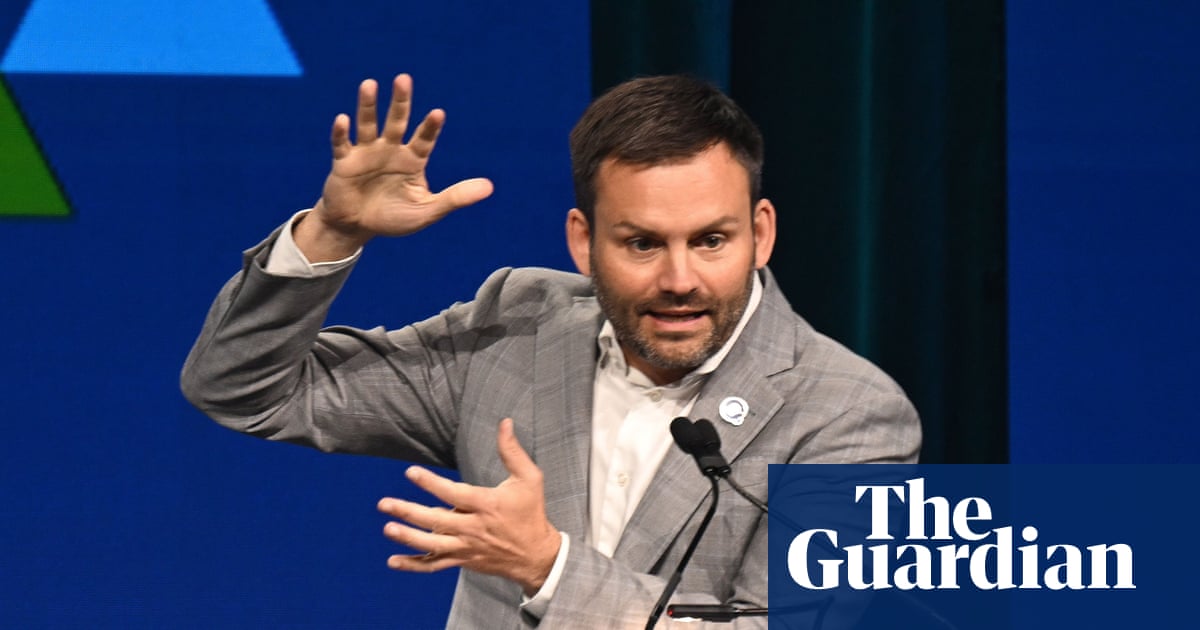
The PQ’s resurgence is credited to 49‑year‑old leader Paul St‑Pierre Plamondon, an Oxford‑educated lawyer who has positioned himself as a TikToking Gen‑X counterpoint to former Premier François Legault, who resigned early this year. Plamondon’s youthful image and social media presence have helped the party regain traction.
Analysts say Plamondon’s appeal stems not from separatism but from his hard‑right stance on identity issues. He has blamed immigrants for school overcrowding, crime and housing costs, pledged to cut immigration levels, ban “conspicuous” religious symbols in schools, and dismissed left‑wing critics as “woke.” Many Quebecers share his rhetoric despite its departure from the PQ’s traditional social‑democratic roots.
The PQ’s platform also includes a promise to hold a referendum, a stance that most Quebecers oppose, especially amid Canada’s trade tensions with the United States. Plamondon has also targeted the monarchy, proposing to defund the lieutenant‑governor and abolish ties with the Crown, echoing the party’s 1970s rhetoric. While the PQ may form the next provincial government, its mandate remains uncertain, and it faces a potentially fraught relationship with the federal government, which remains led by the popular Liberal Mark Carney.