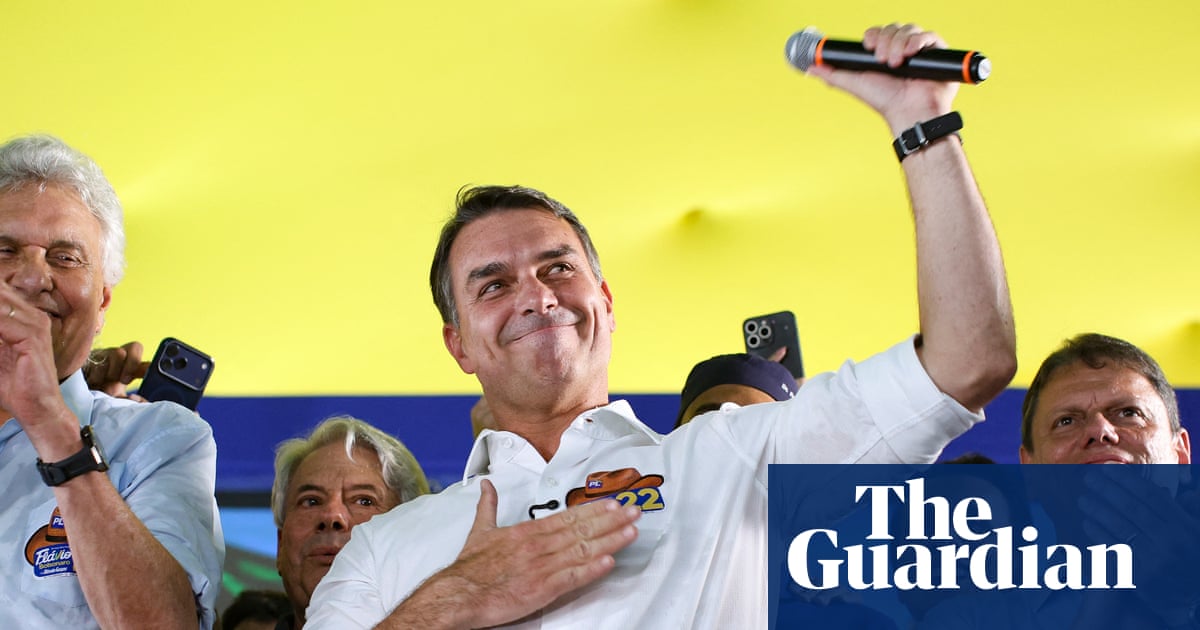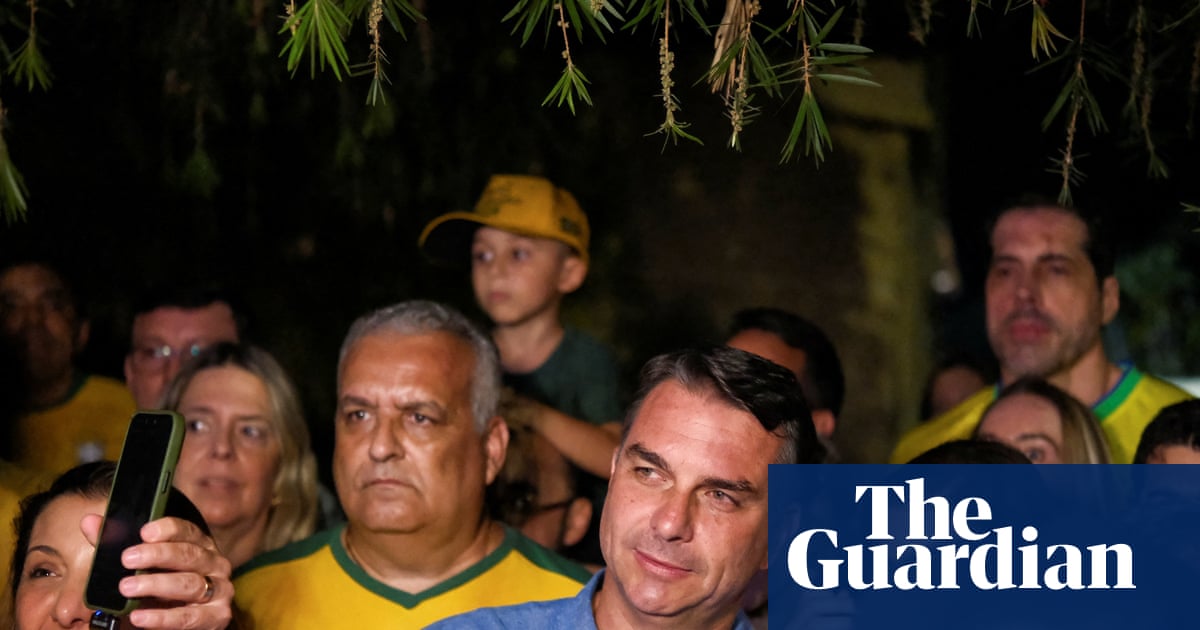
Flávio Bolsonaro has taken the lead in Brazil’s presidential race after a surprise first‑round win over incumbent Luiz Inácio Lula da Silva. The 45‑year‑old right‑wing candidate secured 56.1 million votes (47.03 %) to Lula’s 53.8 million (45.16 %), leaving the 80‑year‑old left‑winger with a steep task ahead in the second round on 25 October. No first‑round runner‑up has overturned a deficit to win a runoff since the return of democracy in 1985.
Political scientist Miguel Lago said miracles are unlikely, noting that Lula would need to reverse a massive gap and that Flávio is unlikely to lose. Trump, an ally of the Bolsonaro family, called the result a “very, very big victory” and predicted a close runoff. The far‑right surge is seen as a partial triumph for Jair Bolsonaro, who is serving a 27‑year sentence for attempting a coup after losing the 2022 election.
Bolsonaro’s family has secured a strong parliamentary presence: his wife Michelle won a senate seat, his son Carlos was elected to the senate, and his youngest son Jair Renan and brother Renato won seats in the lower house. In state races, Tarcísio de Freitas retained governorship of São Paulo and Sérgio Moro was elected governor of Paraná. The Liberal Party now holds 28 of 81 senate seats, giving a hard‑right majority when combined with other right‑wing groups.
The senate majority could enable an amnesty for Jair Bolsonaro, allowing him to exit house arrest and resume leadership of the movement. It may also help Eduardo Bolsonaro return from exile in the United States, where he has been linked to the Trump administration and faces a four‑year prison sentence in absentia. The result is positive for Trump, who has sought to extend the conservative “orange wave” across Latin America.
Lula, who vowed to launch a new campaign after the defeat, will need to mobilise the 33 million voters who abstained and the 5.5 million votes that went to other right‑wing candidates. Analysts say voter apathy among those not aligned with Bolsonarismo could be decisive. Lago and other scholars view the outcome as the worst for progressive and moderate parties since the late 1980s, with the far‑right expanding consistently election after election.