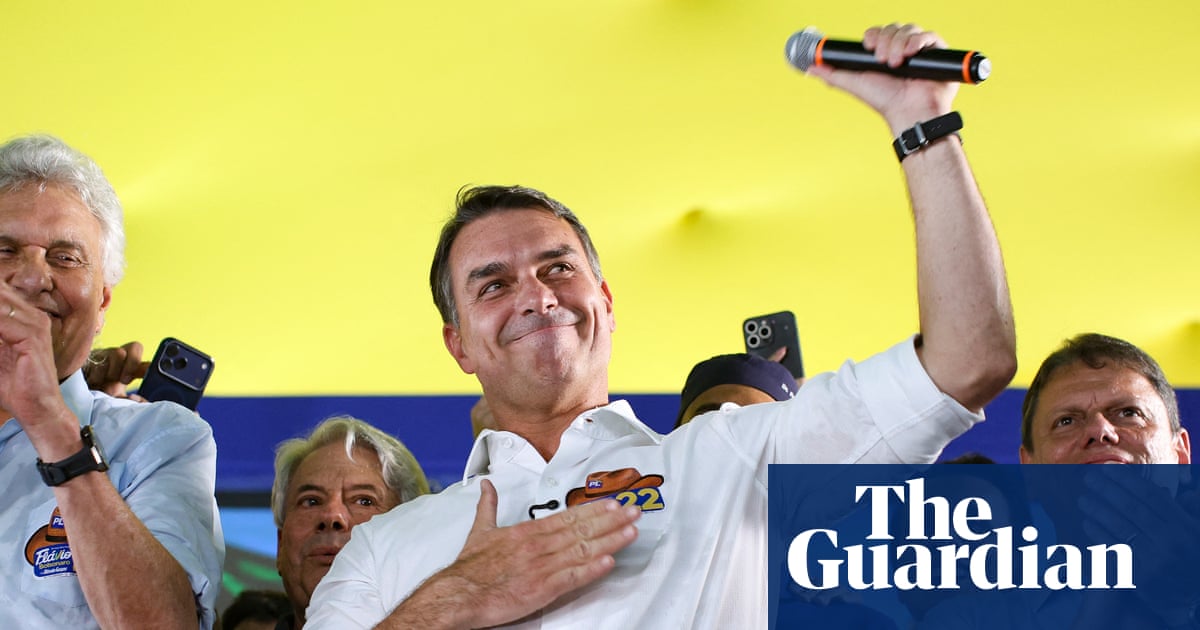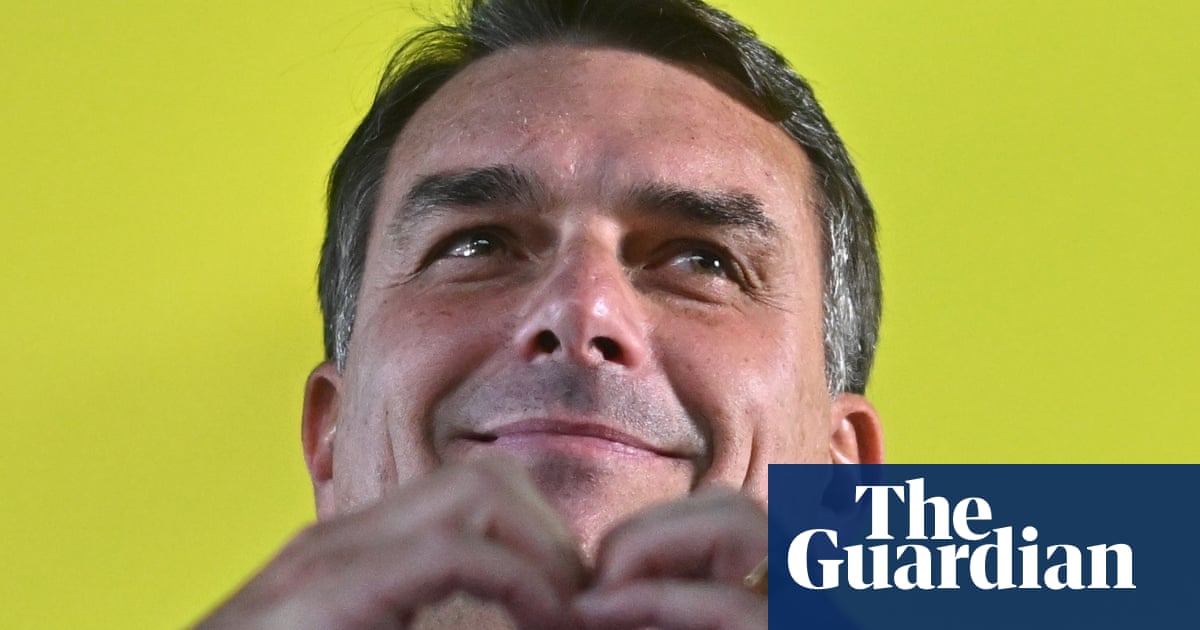
Flávio Bolsonaro, the far‑right candidate who won the first round of Brazil’s presidential election, has pledged to “re‑democratise” the country, a statement that has sparked fears of a slide toward authoritarianism if he secures the presidency.
The promise comes after Brazil was re‑democratised in the 1980s following a 21‑year military dictatorship that Flávio’s father, former president Jair Bolsonaro, has long praised. Jair was jailed for 27 years in 2023 for attempting a coup after losing the 2022 election to left‑wing president Luiz Inácio Lula da Silva.
During a campaign event in Goiânia, Flávio declared that the only obstacle to Brazil becoming a “barbarity” was himself. The remarks, which were widely condemned by historians and opponents of the Bolsonaro movement, were seen as an attempt to co‑opt democratic language while advancing illiberal aims.
Political commentators have highlighted the risks of a second coup attempt. The Supreme Court had already found Jair Bolsonaro guilty of trying to persuade military leaders to help him cling to power in 2018‑22, an effort that culminated in the January 2023 riots in Brasília. If Flávio wins, his Liberal Party’s large caucus in the Senate could enable constitutional changes, including the impeachment of Supreme Court judges deemed hostile to the movement.
Experts warn that a Bolsonaro presidency could erode democratic institutions from within, mirroring the strategies used in Hungary and by El Salvador’s president Nayib Bukele. The son’s use of the term “re‑democratise” is viewed as a rhetorical device to mask authoritarian ambitions, raising concerns that Brazil might slip into a system where the law serves a single political agenda rather than protecting pluralism.