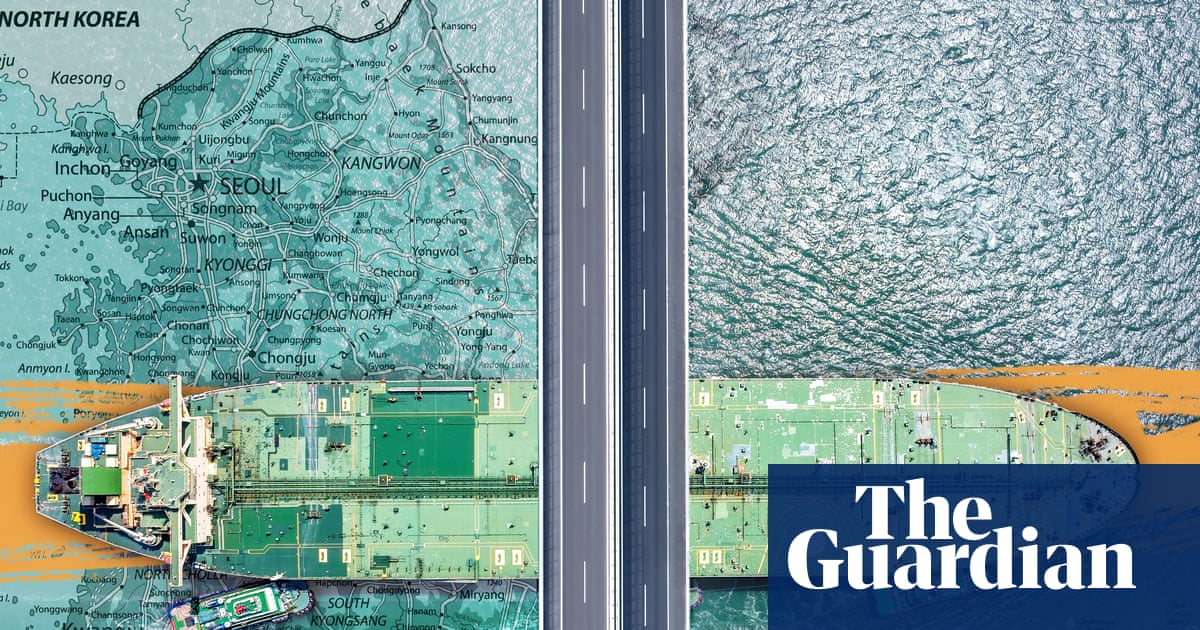
Fuel shipments from South Korea to Russia have been confirmed for the first time in July and August, with more than 176,000 tonnes of diesel loaded at several South Korean ports and carried on seven tankers to Russia’s Far East. The Guardian’s analysis of port records and ship‑tracking data shows that three of the vessels were under UK and EU sanctions, and one used a ship‑to‑ship transfer in South Korean waters to obscure the cargo’s origin.
The largest carrier, the sanctioned Layla, made two voyages from Ulsan to Vladivostok, carrying 57,000 tonnes of diesel, while the Russian‑flagged Astoria and the Chongchon also loaded fuel at Ulsan and Yeosu respectively before heading to Vladivostok, sometimes declaring other destinations such as Niigata or Singapore. The Celeste I, an unsanctioned tanker, supplied the Chongchon with about 26,000 tonnes of fuel.
South Korea has publicly supplied Ukraine with humanitarian aid, non‑lethal military equipment and a $2.3 billion pledge, but has avoided sending weapons. The fuel trade, involving sanctioned vessels, risks portraying Seoul as a weak link in Western sanctions, especially as the country seeks to improve ties with Russia and has transferred North Korean prisoners of war to South Korea.
Russia’s refinery capacity has been hit by Ukrainian drone strikes, with diesel output down nearly 30 % from last year. Buyers of the fuel include state‑controlled Rosneft and the Russian oil group NNK. South Korea’s foreign ministry said it was enforcing expanded export controls and monitoring compliance, while the UK Foreign Office reaffirmed its commitment to sanction enforcement.