Three friends of Nolan Wells, a Black college student who disappeared from a Mississippi island during a Fourth of July celebration and was later found dead, have filed a federal defamation lawsuit against NFL Hall of Famer Terrell Owens. The lawsuit was filed by the fathers of the friends, who are minors under Mississippi law, on their behalf.
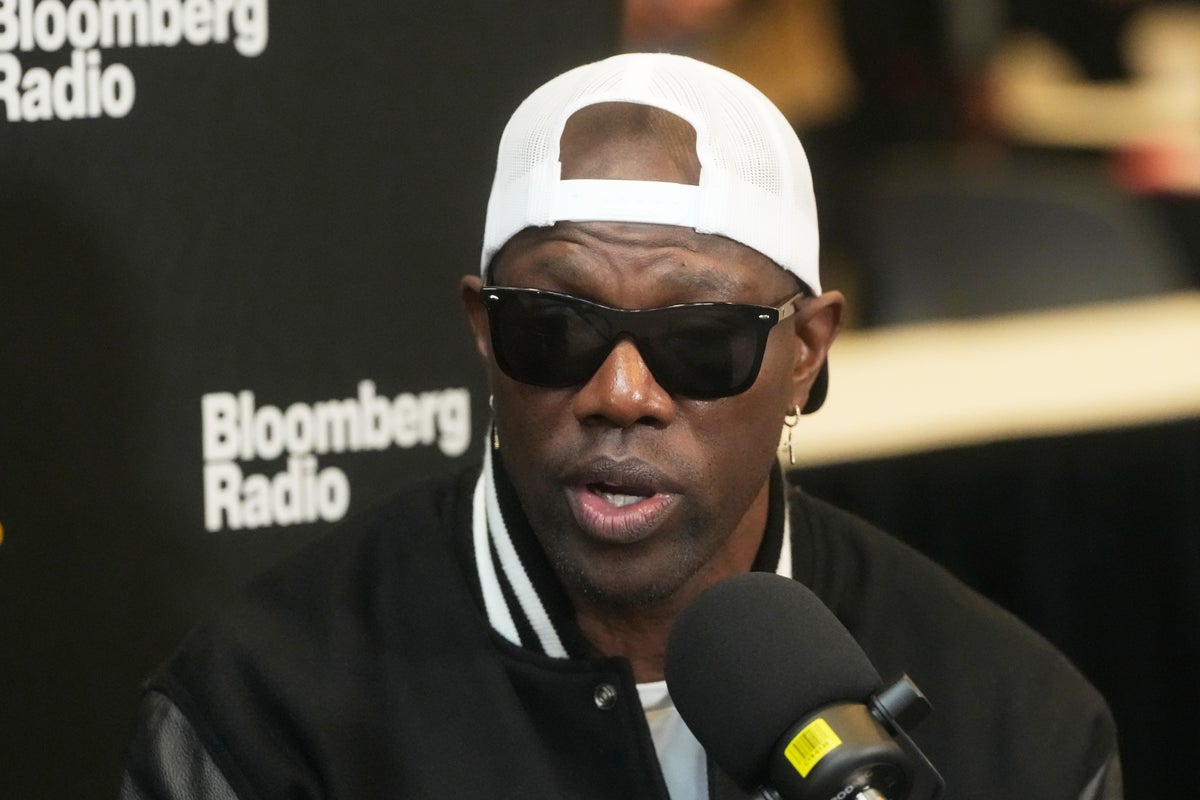
Lawyers for the friends claim Owens defamed them by posting on X, “ARREST THEM IMMEDIATELY!!”, and linking to an Instagram video that alleged the friends killed Wells and tampered with his phone. The post came days after a Mississippi grand jury declined to recommend charges in Wells’ death. The attorneys also say Owens’ message encouraged a hostile mob response, calling it “basically saying to the mob, get your pitchforks, get your torches.” Owens, who has 1.2 million followers on X, had previously pledged $25,000 to a reward fund for information leading to an arrest and conviction in the case.
Wells and 30 friends, including the three suing Owens, had ridden to Horn Island on three boats on the Fourth of July. Wells did not return to the mainland with them, reportedly choosing to stay behind to talk with a girl, a claim his family disputes. His body was found two days later off the island’s coast. Both state and independent autopsies have not determined a cause of death, though a grand jury found it was “consistent with drowning.” Wells’ family and lawyers argue the findings are questionable, citing unexplained bruising on the back of his head and noting that his airways and stomach were devoid of water.
The lawsuit is part of a broader strategy by the friends’ attorneys, who plan to file additional defamation claims against content creators. They have previously indicated intent to sue Rev. Al Sharpton and “The View” co-host Sunny Hostin for comments made while discussing Wells’ death. Attempts by the Associated Press to contact Owens through social media and SMAC Entertainment, which manages Owens, have not yet yielded a response. The case highlights ongoing tensions surrounding the investigation of Wells’ disappearance and death, and the role of social media in shaping public perception.