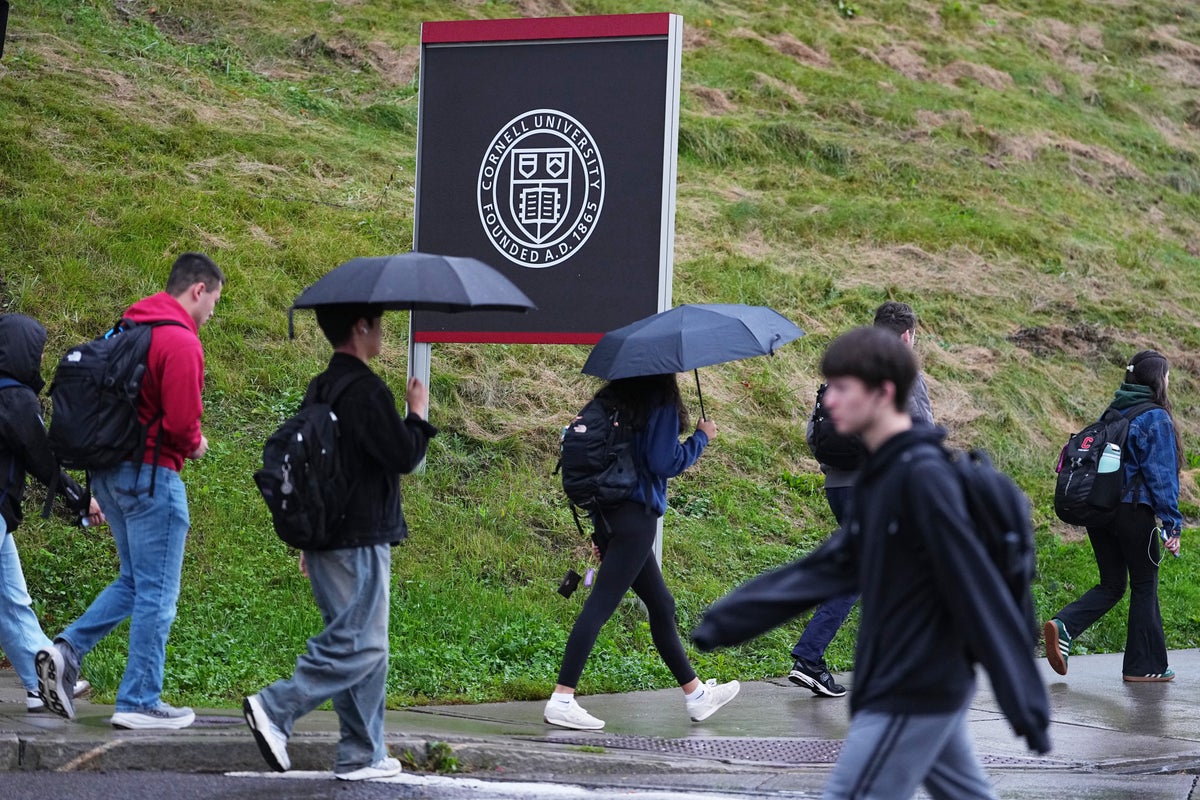
Countless women and some men posted on social media that they were “Jane Doe” in support of a young woman who filed a lawsuit against Cornell University and seven fraternity members she alleges raped her. The posts began as individual statements of solidarity and soon grew into a flood of videos, photos and text across platforms, echoing the wave of support that erupted after the college’s independent student newspaper reported the lawsuit late last month.
The motivation behind many of the “I am Jane Doe” posts was to offer the plaintiff protection in the digital age. By flooding search results and social‑media algorithms with the same pseudonym, participants hoped to obscure the victim’s real identity and deter those who might try to identify her online. The effort also aimed to give other survivors a sense of shared experience and encouragement to speak out, a sentiment echoed by Emma Davidson Tribbs, founding director of the National Women’s Defense League, who said the movement “gives people a level of bravery and comfort to come forward and speak their truth.”
Singer Wendy Lea Brewer, who has publicly spoken about her own abuse, joined the movement after feeling unheard. She posted Instagram reels with captions such as “I am Jane Doe” and “It’s time to speak,” expressing frustration that her voice had previously been ignored. Photographer Kelsey Combe added her own post after seeing a reel from content creator “women_inamerica” that highlighted the importance of solidarity. Combe’s attempt to confuse AI models backfired when the system mistakenly linked her as the plaintiff, an error she later had to correct.
Legal experts note that the use of pseudonyms like Jane Doe in lawsuits has increased as a way to protect sensitive cases. Diana Simon, a law professor at the University of Arizona, explained that while the legal system favors transparency, anonymity can be in a person’s best interest when privacy is paramount. The collective online effort underscores a broader push to address systemic issues surrounding sexual assault rather than focusing solely on individual incidents.