Scientists have begun an investigation into the sudden wave of dead baby whales washing up along Argentina’s Patagonian coast, particularly around Peninsula Valdes in Chubut province. The area is a key breeding ground for southern right whales, and the recent sighting of numerous calf carcasses has alarmed both residents and researchers.
Southern right whales were once hunted to near extinction in the 19th and 20th centuries, but international protection has allowed the population to recover. The peninsula’s sheltered waters now host mothers giving birth and nursing their young, making the region vital for the species’ continued rebound.
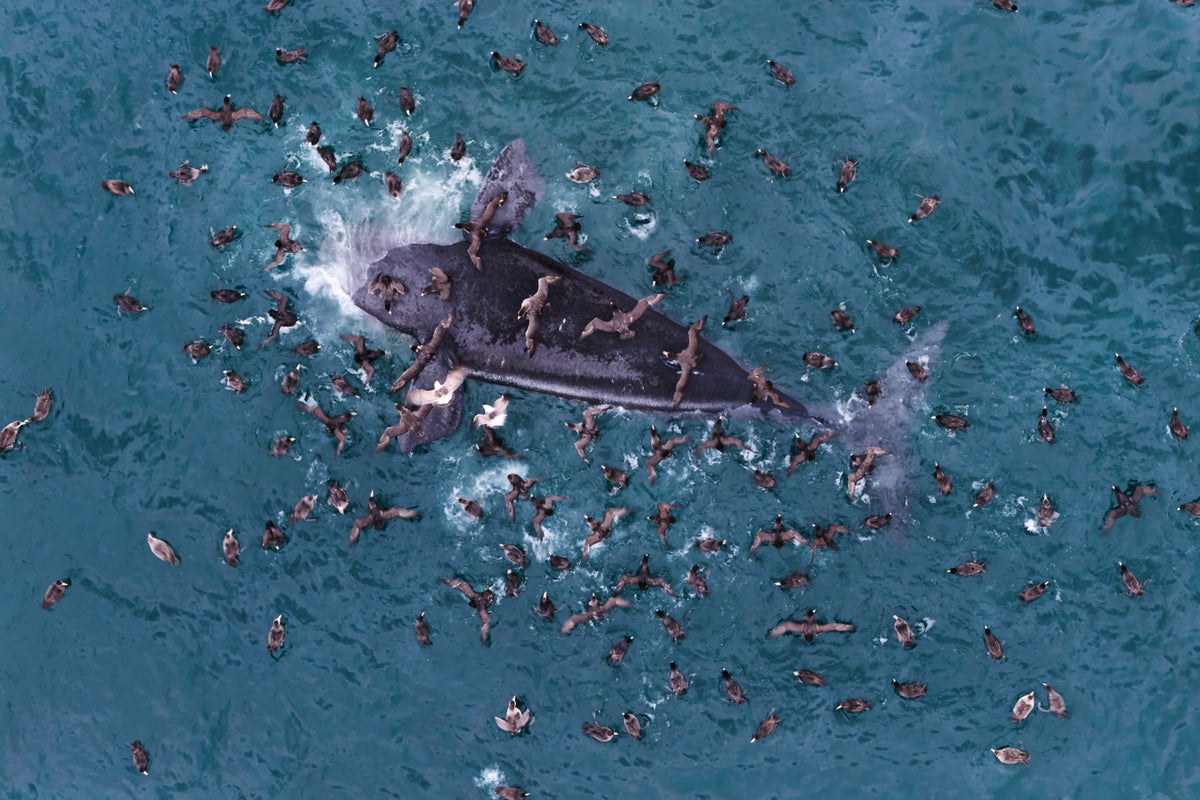
Marcela Uhart, a veterinarian from the One Health Institute at the University of California, Davis, leads the study. She notes that the calves’ deaths are unusual compared to 23 years of monitoring data. The leading theory points to infections caused by marine bacteria that enter through injuries inflicted by kelp gulls. Adults learn to surface with only their heads exposed, but calves cannot, leaving them vulnerable to gull attacks. Researchers are combing the shore and using boats, planes and drones to locate carcasses, photographing and sampling skin and organs before decomposition. Bacteria have already been detected, and scientists are culturing samples to identify the specific microbes and confirm whether infection caused the deaths.
Uhart cautions that even if bacteria are responsible, the question remains why they have become so lethal this year. Changes in marine conditions such as warming sea temperatures, potentially linked to climate change or El Nino, could create a “perfect storm” that overwhelms the calves’ immunity. By identifying the triggers, researchers hope to protect the vulnerable population and prevent further losses that could stall the species’ recovery.