A new Trump‑era rule change that took effect on 14 September 2026 redefines “harm” under the U.S. Endangered Species Act (ESA) to mean only the direct killing of an endangered animal. The change eliminates a half‑century Supreme Court precedent that had treated the destruction of a species’ habitat as a violation. The rule also removes the automatic protection that the ESA’s Blanket 4(d) Rule gave to species listed as threatened.
In a memo issued the same day, the director of the U.S. Fish and Wildlife Service argued that the ESA applies only to intentional killings. Under that interpretation, incidental damage—such as a ship striking a whale or a developer clearing land for a data centre—would no longer constitute a federal offence unless the animal was deliberately targeted. These reinterpretations could leave many federally listed species largely unprotected.
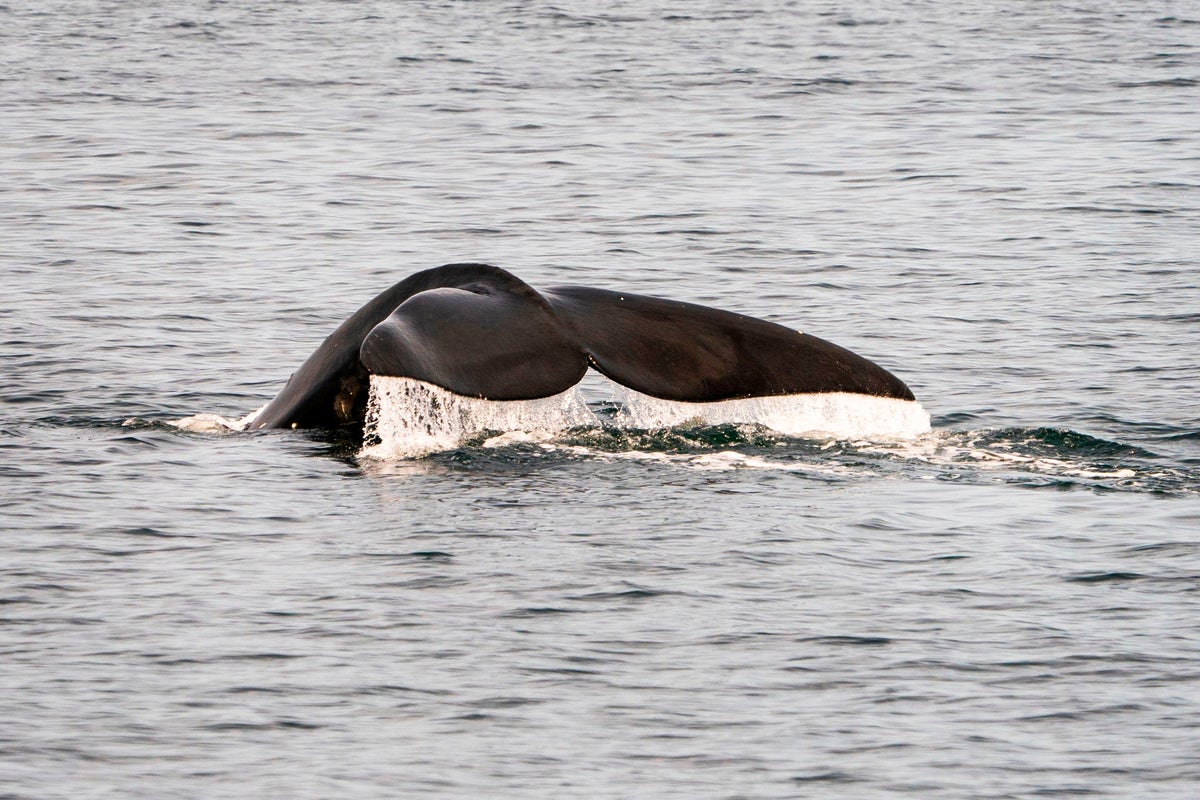
The three species most at risk illustrate the potential fallout. The Florida panther, whose population is estimated at 120‑230 adults, depends on large, contiguous habitats that are increasingly fragmented by private development. The new rule would permit landowners to clear protected corridors without liability, accelerating habitat loss. The North Atlantic right whale, with only about 380 individuals, faces noise pollution from shipping and seismic surveys and physical hazards from vessels and fishing gear; the revised law weakens regulations that mitigate these threats. The monarch butterfly, whose numbers have dropped 80 % in a decade, relies on milkweed corridors that are disappearing as farms expand; without the Blanket 4(d) Rule, threatened species lose automatic protection and must wait years for species‑specific rules.
The shift turns the ESA from a proactive conservation tool into a reactive response to intentional harm. As habitat degradation, noise pollution and development continue, the survival of the panther, right whale and monarch may depend more on legal loopholes than on the very protections the law was designed to provide.