Islamist violence in Africa’s Sahel region is projected to reach historic highs this year, new data from the conflict‑monitoring organisation Acled show. Incidents involving al‑Qaida‑linked and Islamic State affiliates rose from 63 in 2016 to 2,845 in 2025, with 2,145 already recorded in 2026. If current trends persist, the annual total could exceed 3,000 events.
The surge is concentrated in Mali, Burkina Faso and Niger, where the al‑Qaida‑linked Jama’at Nusrat ul‑Islam wa al‑Muslimin (JNIM) and the Tuareg‑dominated Azawad Liberation Front (FLA) have carried out coordinated attacks. In April, the two groups ambushed government forces and Russian mercenaries, killed Mali’s defence minister in a suicide strike, and seized the strategic city of Kidal. JNIM has since expanded its control in Mali and has claimed more than 130 attacks in 2026, striking close to Burkina Faso’s capital.
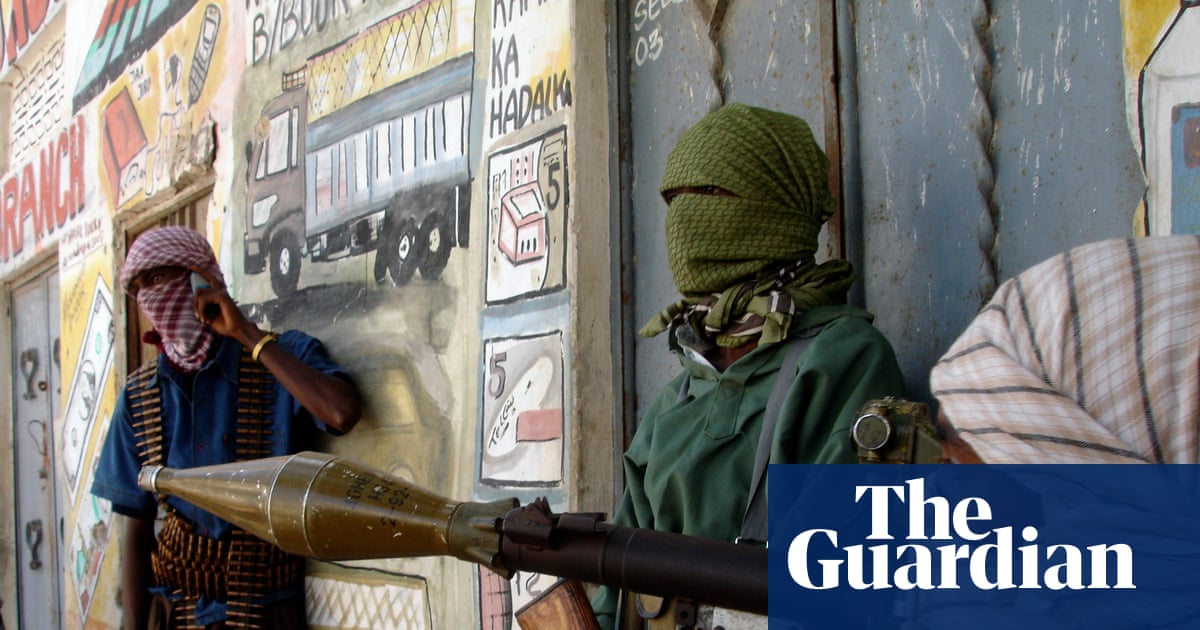
Other Islamist groups also contribute to the violence. Al‑Shabaab remains a major threat in Somalia, with Acled recording over 10,000 deaths in the past 18 months, while IS‑linked militants operate in the Democratic Republic of Congo, Mozambique, Chad and Nigeria. A United Nations report noted that the Sahel’s terror death toll reached more than 9,000 in 2025, the highest in the region.
Al‑Qaida’s global influence has shifted. Senior leadership is now considered marginalised, with no formal successor to Ayman al‑Zawahiri. De‑facto control is believed to rest with Saif al‑Adel, who has been in Iran since 2002, while the Yemen‑based Al‑Qaida in the Arabian Peninsula (AQAP) remains the most active affiliate, issuing a new video in May urging attacks in Europe and the United States. Analysts note that while the Sahel hosts large militant numbers, its capacity for long‑range operations remains limited.





.jpeg?trim=0,11,0,11&width=1200&height=800&crop=1200:800)