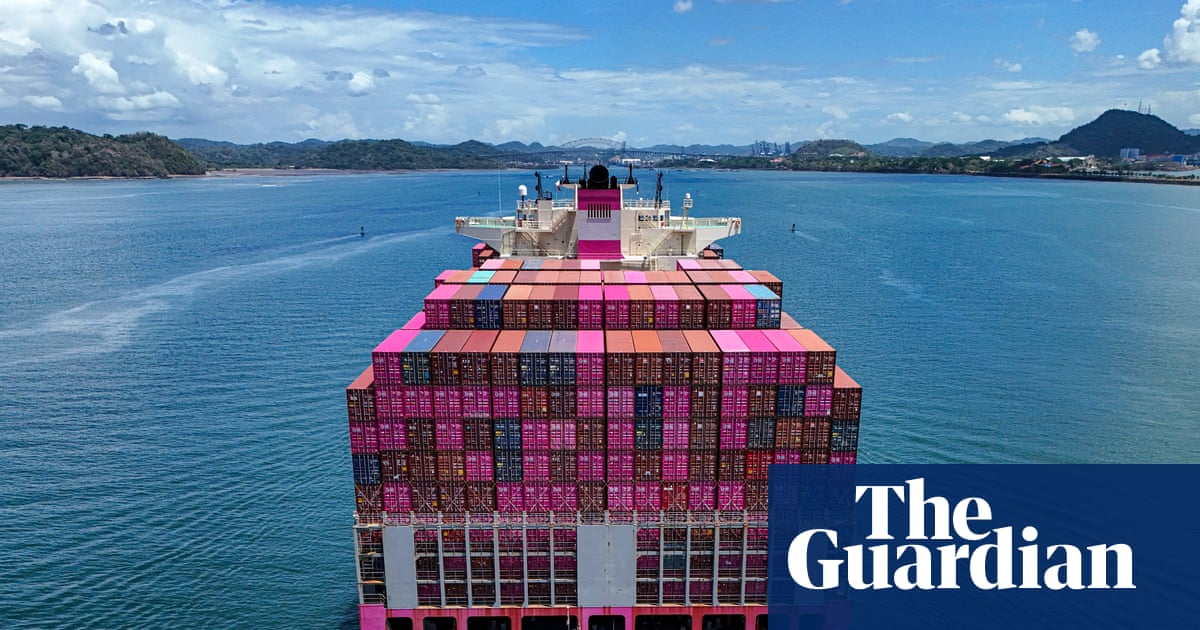
The Panama Canal Authority has announced another reduction in daily vessel transits as the drought intensified by the El Niño climate phenomenon threatens the water supply that powers the canal’s lock system. The canal, which handles about 5 % of global maritime trade and 40 % of U.S. container traffic, is a preferred route for shippers because it usually shortens transit times and lowers costs, especially for trade between Asia and the United States.
According to a draft plan submitted to Panama’s parliament, the average number of vessels allowed to transit daily will fall to 29.5 from 36 in August, an 18 % reduction. In September the authority already cut the daily limit from 36 to 32. The 82 km canal relies on fresh water from rivers that feed Lake Gatun; recent rainfall has been below forecast, prompting tighter restrictions to preserve water levels and ensure safety.
The restrictions have added logistical challenges. Shipping companies now face higher costs as the U.S. and Israel’s conflict over Iran disrupts the Strait of Hormuz, forcing vessels to seek alternative routes. In August, a container ship reportedly paid about $4 million to skip a 10‑day queue, a practice that relies on a daily auction system where bids rise during periods of high demand.
El Niño is expected to reach its peak later this year, with meteorologists predicting the strongest manifestation in four decades. The associated extreme heat has already broken seasonal temperature records in 52 countries, including nine nations in Central and northern South America, and has contributed to severe droughts in the region. The canal’s future operations will depend on how the climate pattern evolves and on the ability to secure sufficient water for the lock system.





.jpeg?trim=0,11,0,11&width=1200&height=800&crop=1200:800)