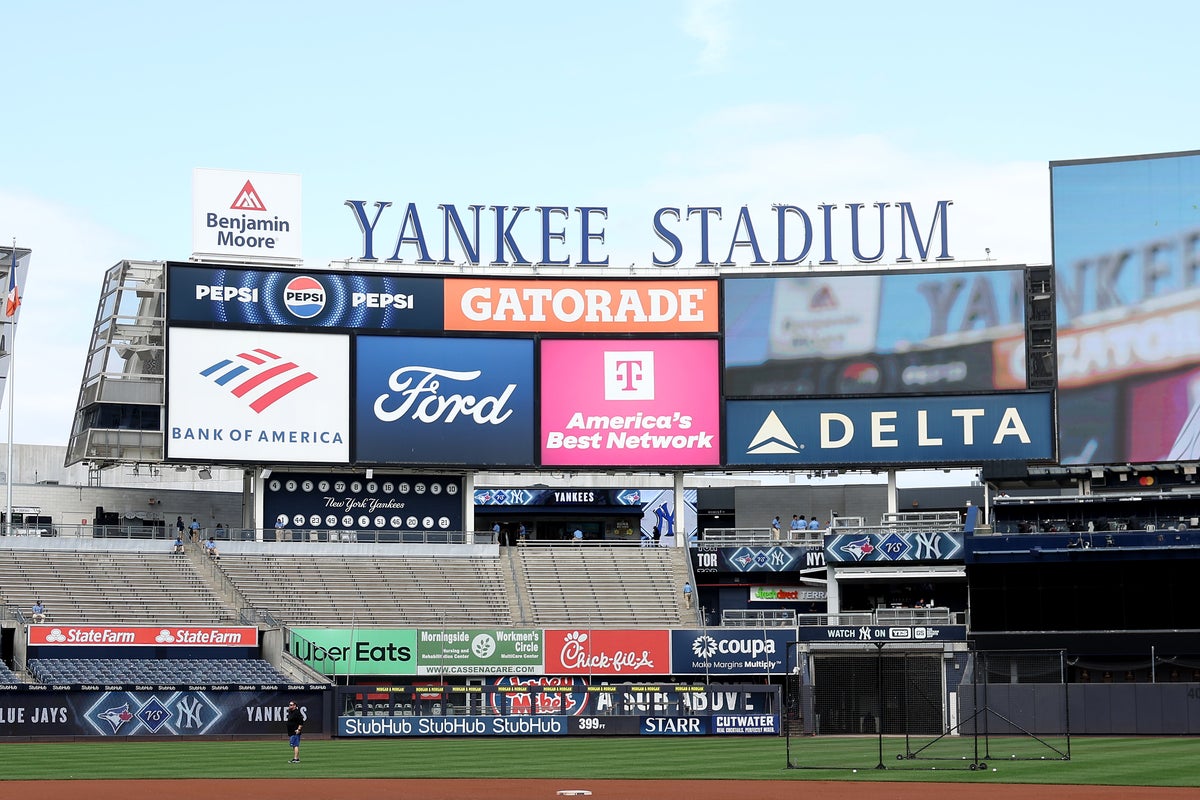
Bacteria that cause Legionnaires’ disease were found in a cooling tower at Yankee Stadium, one of ten Bronx structures that tested positive during a cluster of cases that has already claimed one life, New York City health officials said.
The department is conducting further laboratory analysis to determine whether the Legionella bacteria in the towers are live, as only active bacteria cause the pneumonia‑like illness. Initial testing last week detected traces of either living or dead bacteria, and the Yankees have stated that none of the current cases have been linked to the stadium.
Health authorities are investigating a probable community cluster in the South Bronx, where Yankee Stadium is located. Ten people have tested positive for the illness so far, including one death and three hospitalizations. Property owners of all ten towers were ordered to clean and disinfect the equipment by Monday.
The Yankees confirmed that the tower that tested positive was completely drained and sanitized on Sunday morning. The team noted that new, state‑of‑the‑art cooling towers were installed in 2024 and undergo weekly water quality and bacteria testing, with results submitted monthly to the city. Their most recent test on August 20 was negative for Legionella, and they said the city’s testing method differs from the one used by municipal officials.
The city is performing culture tests on samples from the towers, a process that can take up to two weeks to confirm whether the bacteria are living. Legionnaires’ disease is treatable but has a roughly 10% fatality rate, according to the CDC. The condition arises when people inhale droplets from warm water systems such as cooling units or hot tubs and does not spread person‑to‑person. Earlier this summer, an outbreak on Manhattan’s Upper East Side caused 11 deaths among more than 90 confirmed cases, and a separate outbreak in Harlem last year killed seven people and sickened dozens more.





.jpeg?trim=0,11,0,11&width=1200&height=800&crop=1200:800)