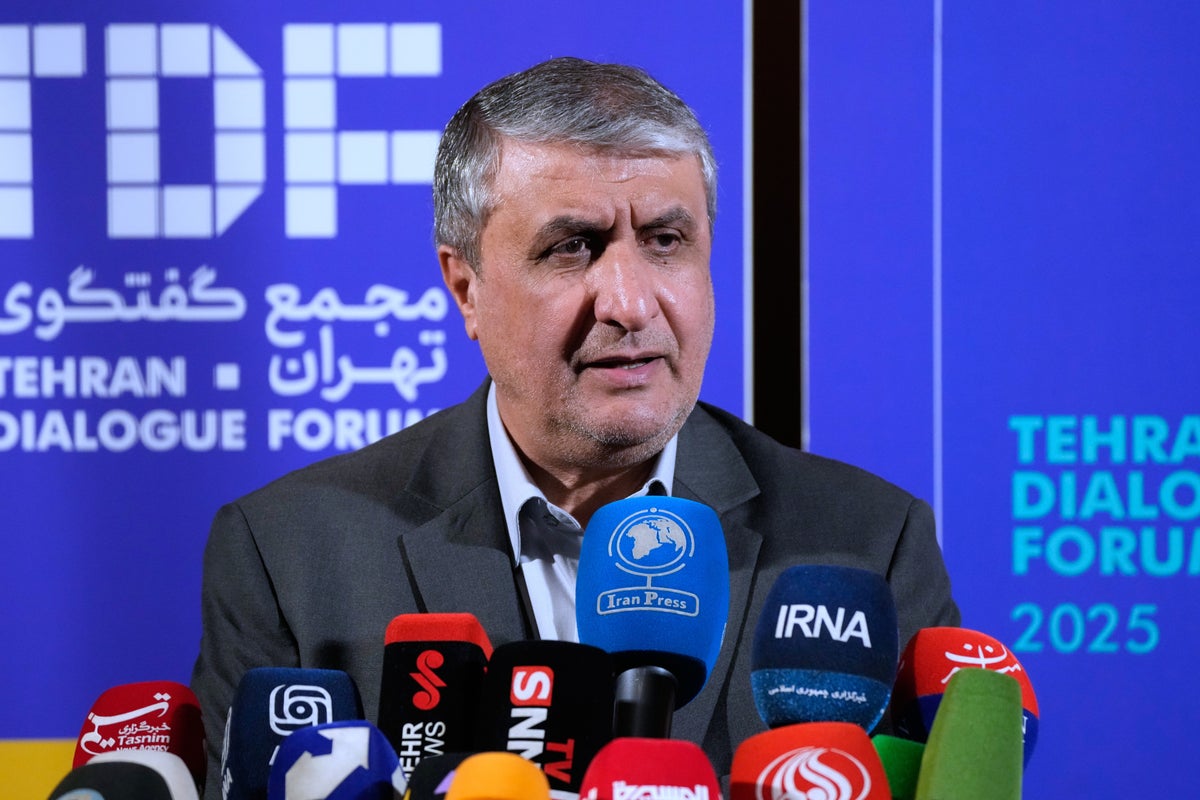
The head of Iran’s Atomic Energy Organization, Mohammad Eslami, is not expected to attend the annual General Conference of the U.N. nuclear watchdog in Vienna because he is subject to an international travel ban, a source briefed on the matter said.
Eslami’s exclusion signals a sharp decline in Iran‑West relations. The United States and Iran have resumed sporadic fighting after a fragile ceasefire collapsed in July, and the travel ban was re‑imposed last year when France, Britain and Germany triggered the so‑called snapback mechanism, automatically reinstating all U.N. sanctions on Iran.
Austria, which hosts the U.N. in Vienna, requested a waiver of the travel ban from the U.N. sanctions committee but the request was denied. The same source, speaking anonymously, noted that the IAEA has been unable to verify the status of a stockpile of near‑weapons‑grade uranium since Israel and the U.S. struck Iranian nuclear sites in June. Iran has also denied inspectors access to the damaged facilities, even though it is legally obliged to cooperate under the Nuclear Nonproliferation Treaty.
Despite the official’s statement, Iran’s state news agency IRNA reported that Eslami had travelled to Vienna to attend the conference and meet representatives from several countries. The General Conference, scheduled from Monday to Friday, will consider the agency’s budget and discuss nuclear safeguards in the Middle East and other policy issues. The U.N. sanctions in force include a travel ban, an arms embargo, restrictions on ballistic missile development, asset freezes and a ban on producing nuclear‑related technology.



.jpeg?trim=0,11,0,11&width=1200&height=800&crop=1200:800)