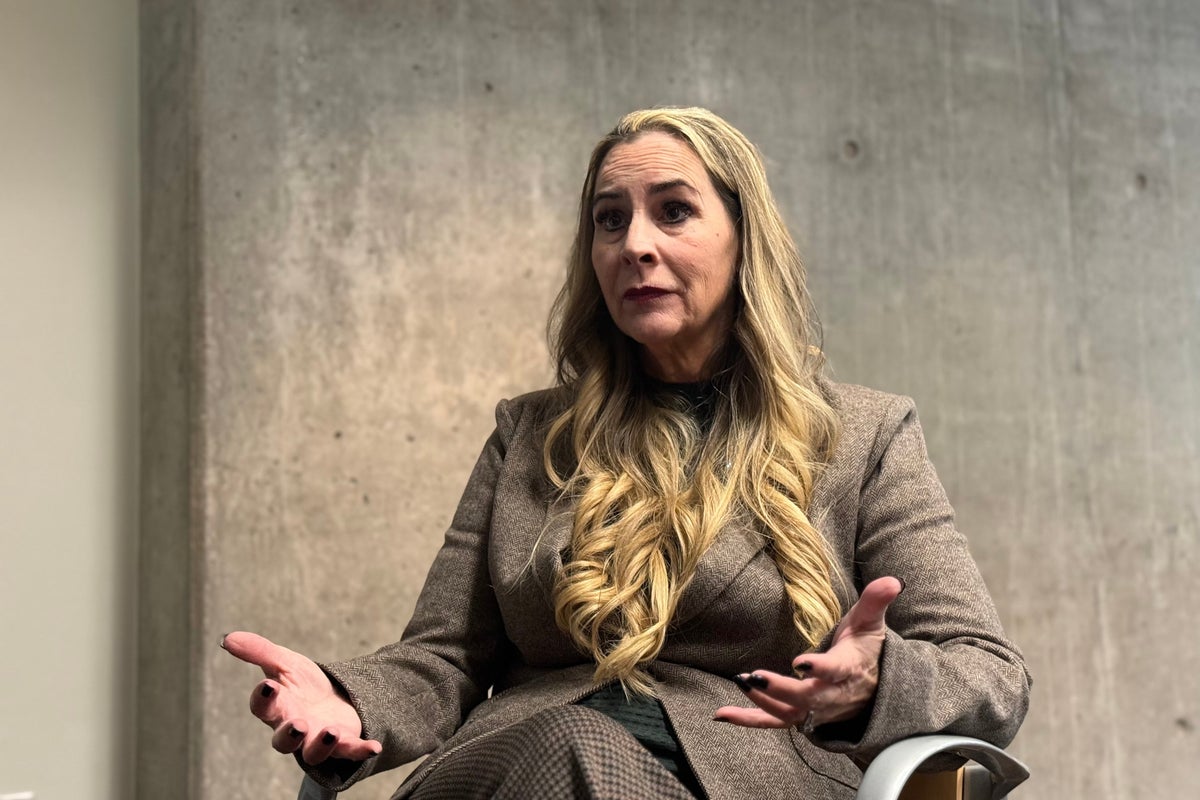
On election day in Saxony-Anhalt, 55‑year‑old Alaa Yakoub Agha, a Syrian who became a German citizen in 2015, celebrated her first vote in the state. Later that afternoon, while walking by a lake, she was shouted at by a man who told her to “go back to your own country.” Agha said the encounter left her hurt and reminded her that many still view migrants as strangers despite years of integration.
The far‑right Alternative für Deutschland (AfD) won an overwhelming 44 percent of the vote, the first major victory for a far‑right party in Germany since World War II. In response to the prospect of a hostile government and ongoing racist abuse, many minorities in the state have issued a defiant message: “Saxony‑Anhalt is our home, too.”
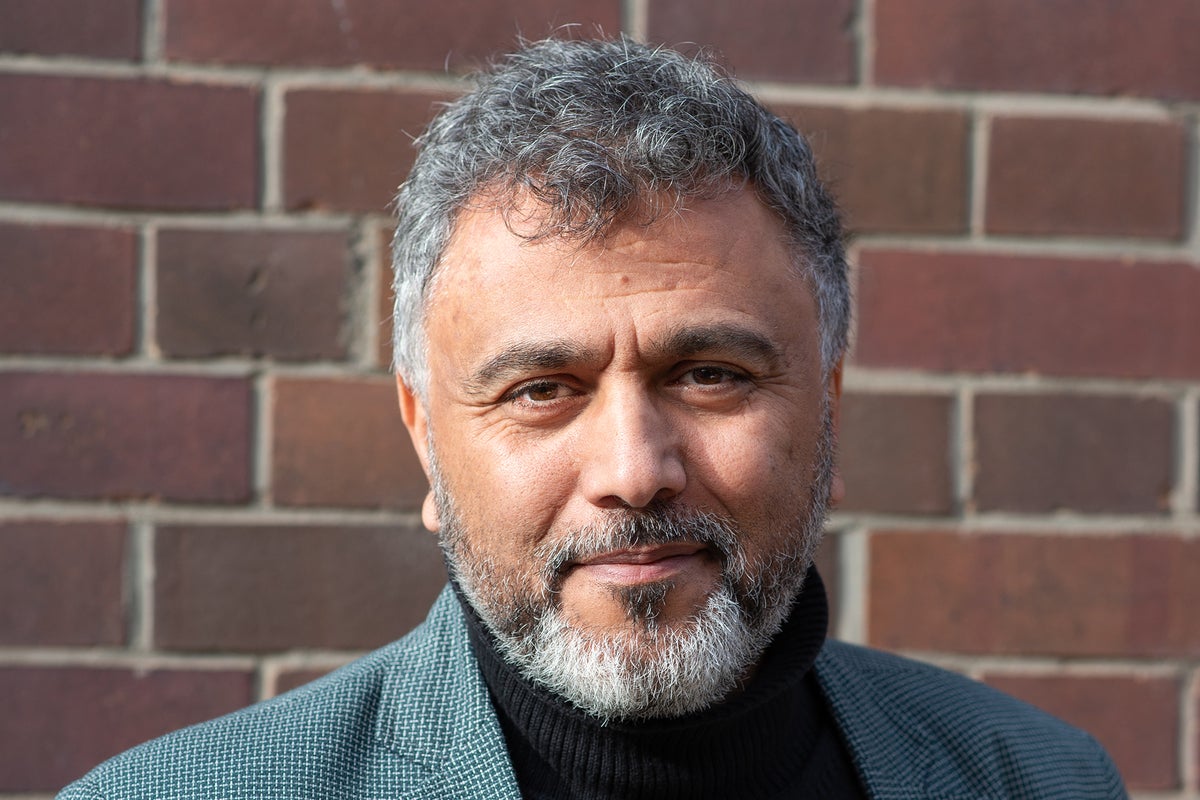
Mamad Mohamad, a Yazidi Kurd who arrived as a 15‑year‑old refugee and now runs as a local Alliance 90/The Greens candidate, said the election result weighs heavily on his heart. He warned that a far‑right government could make racism part of everyday life, pushing some families to consider leaving. Mohamad called for the state to protect minorities and, if necessary, for the federal government to intervene.
AfD promises in its manifesto include a state‑level deportation operation, a call for small businesses to adopt AI to reduce the need for skilled migrant workers, and the removal of war refugee status for Ukrainians. The party also proposes segregating children of refugees into separate classes, banning rainbow flags in schools, and limiting Islamic expression.
The election comes amid a broader European surge of far‑right parties. Critics argue that Merkel’s 2015 decision to suspend the Dublin protocol and accept millions of Syrian refugees helped fuel the AfD’s rise. With Saxony‑Anhalt’s foreign‑national population at about 7.9 percent, well below the national average, the stakes for minority protection remain high as the state prepares for a possible AfD‑led government.




.jpeg?trim=0,11,0,11&width=1200&height=800&crop=1200:800)