A study published in Brain Communications shows that infants born to mothers with anaemia have smaller brains, especially in areas linked to movement, learning and emotion regulation. Researchers noted the differences first at one year and warned they could lead to cognitive problems when children enter school.
The research, conducted by King’s College London and the University of Cape Town, followed over 300 mother‑infant pairs in Cape Town. Infants underwent brain scans between three months and two years. Babies of anaemic mothers had an average total brain volume 4 % lower and showed reductions in the putamen, caudate nucleus and corpus callosum.
The gap widened over the first two years, with the corpus callosum 4 % smaller at 12 months and 6 % at 24 months in the anaemic group. Earlier work in South Africa found similar deficits in toddlers and schoolchildren, suggesting lasting effects that may translate into measurable cognitive difficulties.
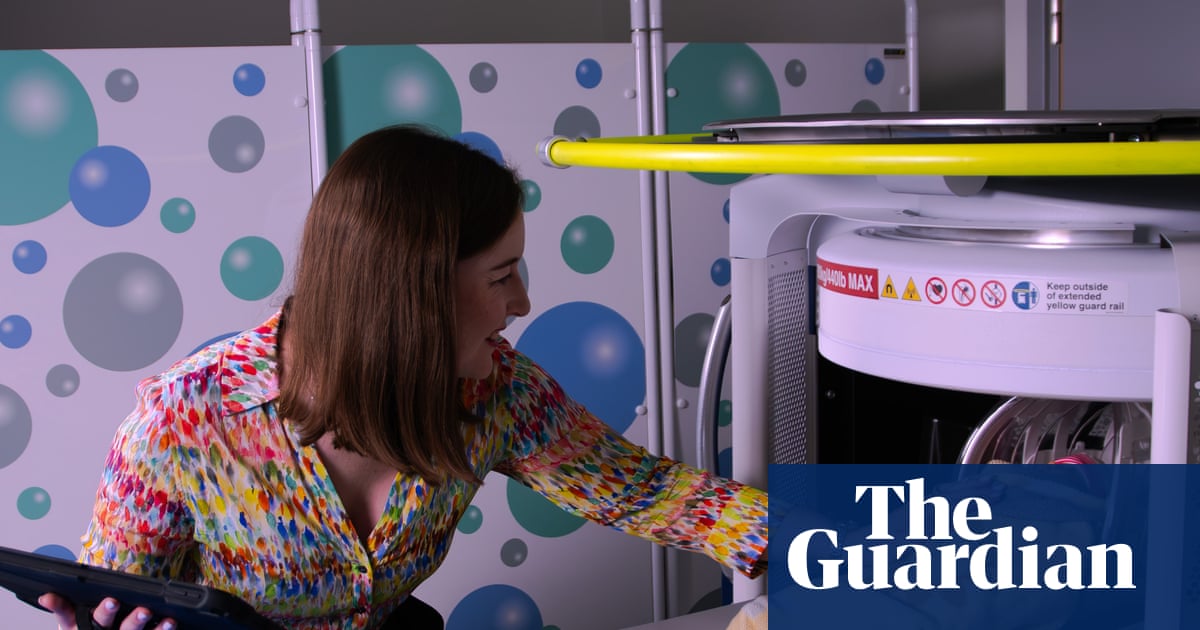
The team also demonstrated that portable low‑field MRI scanners, which are cheaper and more mobile than conventional high‑field machines, can detect the same brain differences. This technology could enable large‑scale neuroimaging in resource‑limited settings and support early intervention strategies.





.jpeg?trim=0,11,0,11&width=1200&height=800&crop=1200:800)