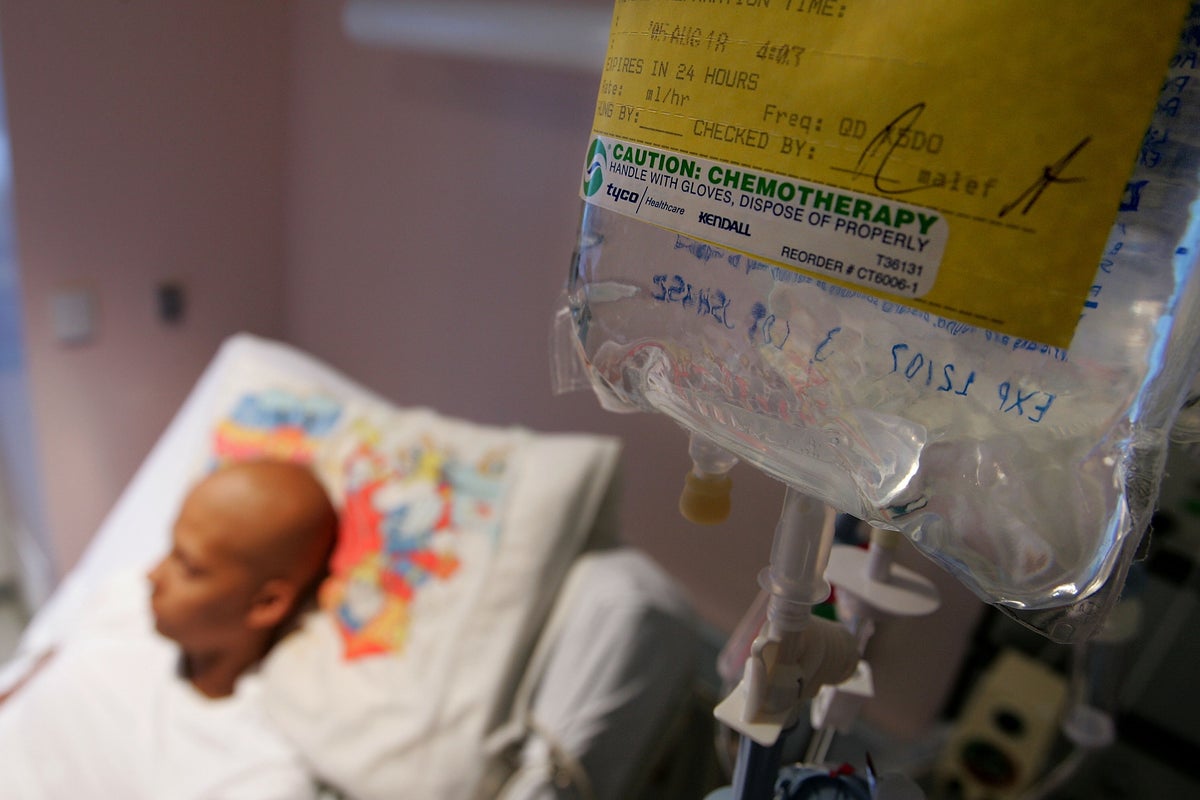
America’s cancer treatment centers are still grappling with a long‑standing shortage of essential anti‑cancer drugs, according to a survey of more than 30 academic facilities. All participating centers reported at least one drug shortage, and over 20 percent were facing shortages of five or more medications.
The drugs in short supply target some of the most lethal cancers, including testicular, bladder, uterine, ovarian, lung and breast cancers. Key medications affected include carboplatin for ovarian cancer, ifosfamide for lung cancer, and cisplatin for bladder cancer, with 94 percent of centers noting a shortage of ifosfamide, 71 percent reporting carboplatin shortages and 16 percent citing cisplatin. The bladder cancer immunotherapy Bacillus Calmette‑Guérin was also scarce for more than half of respondents.
To keep patients on recommended doses, 61 percent of centers implemented mitigation strategies, while 90 percent said they had to secure multiple insurance authorizations, adding administrative burden and potential delays. The National Comprehensive Cancer Network CEO, Dr. Crystal Denlinger, warned that the persistent shortages strain an already burdened system.
The non‑profit has called for policy changes, such as updating federal drug production rules and encouraging domestic manufacturing, and has highlighted new vaccine‑based treatments as potential solutions. Legislation aimed at addressing the shortages has been introduced but has not yet passed. The FDA has acknowledged the shortages, is working with manufacturers, and has exercised regulatory discretion to import ifosfamide to help bridge supply gaps. The Trump administration has also explored temporary imports from non‑traditional suppliers.