The Her Horizon Fund, a $15.5 million (US$11.4 million) donation from the Wallace Global Fund and an anonymous donor, was unveiled in Kenya this month as a catalyst to end female genital mutilation (FGM). The initiative comes as the practice continues to affect more than 230 million women and girls worldwide, and as donor support for grassroots work has fallen sharply.
The United Nations has pledged to eliminate FGM by 2030, but progress is off track. Funding for the largest international programme – a joint effort by UNFPA and UNICEF operating in 18 countries – dropped 45 % last year, falling from $29.6 million to $16.3 million. In Somalia, where FGM is nearly universal, UNFPA cut a $300 000 grant to the Ifrah Foundation, but the organisation has secured alternative financing and has pushed for anti‑FGM legislation.
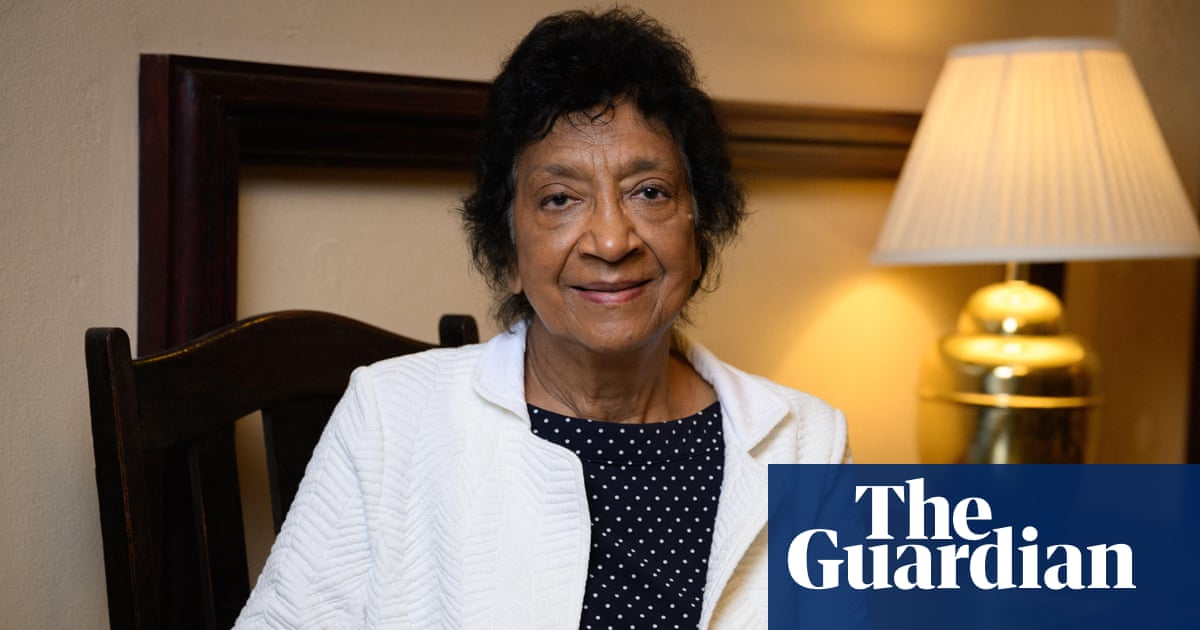
Ifrah Ahmed, a Somali‑Irish survivor who founded the Ifrah Foundation, said the $14 million seed money would keep activists on the ground. “Without continued funding, the dream of ending this practice will die for young girls,” she warned. In three of Somalia’s seven federal member states anti‑FGM laws have been enacted, and in two more bills have been approved by the cabinet but await parliamentary ratification amid opposition from some religious leaders.
Susan Gibbs, senior adviser on women’s rights at the Wallace Global Fund, described FGM as a global crisis and a public health emergency. She added that while prevalence has fallen in several countries, anti‑rights pushback and political crises have stalled gains, and that frontline organisations “have been absolutely starved for resources.” Gibbs said the fund would be catalytic and that lasting change must be led by survivors and activists who know their communities.
FGM involves the partial or total removal of female genitalia for non‑medical reasons. It can cause immediate complications such as severe pain, bleeding and infection, and long‑term problems including childbirth complications, chronic pain and psychological trauma. A 2025 study estimated that the practice causes about 44 000 deaths each year in 15 countries, making it one of the leading causes of death for women and girls in those nations.