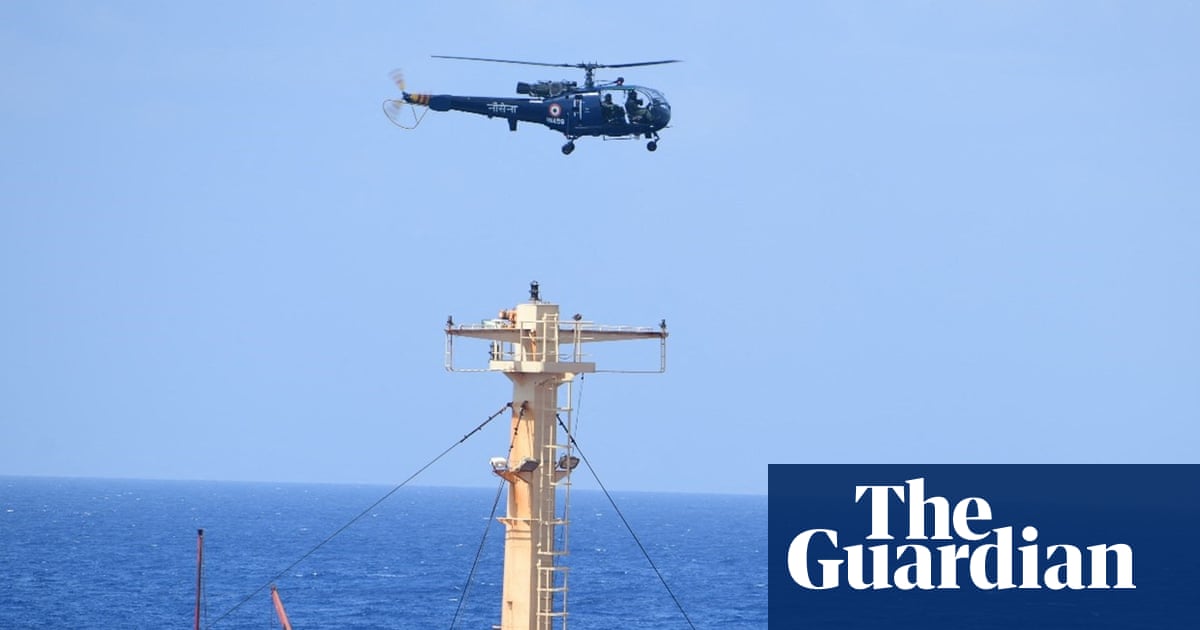
Somali piracy has surged to levels not seen in a decade, with eight hijackings recorded since late April, driven by regional turmoil and shipping disruptions linked to the US‑Israeli war over Iran and renewed political instability in Somalia.
The attacks include an oil tanker tied to Iran and the Cameroon‑flagged vessel Lutuf, which carried Turkish military equipment. The Lutuf was seized by pirates using the hijacked cement carrier MV Sward as a mothership, and was released two weeks later after a joint Turkish‑Somali operation that destroyed four pirate vessels.
Since 2005, more than 1,000 attacks have occurred off Somalia’s coast, generating about $400 million in ransom payments. The threat subsided only after a multinational anti‑piracy force was deployed, but the recent resurgence shows the fragility of that effort.
Experts say the war in the Middle East has diverted naval resources and rerouted Red Sea traffic around the Cape of Good Hope, creating opportunities for pirates. Rising oil prices and the use of satellite internet for targeting and communication have further increased the sophistication and profitability of attacks.
Local officials warn that ransom payments, such as the $2.5 million paid for the Lutuf, may encourage further incidents. The economic spill‑over in towns like Galkayo has already spurred increased consumption of khat and luxury vehicles, echoing past piracy booms. Whether the international community can mount a new, large‑scale anti‑piracy campaign remains uncertain.