Canada’s retaliatory tariffs on American imports went into effect at 12.01 a.m. on Tuesday, covering $20 billion in goods and ranging from 15 % to 50 %. The measures hit a wide array of products, including steel, dairy, appliances, agricultural equipment, pulp and paper, and electronics—sectors that have suffered from U.S. tariffs.
Prime Minister Mark Carney said Canada would accelerate efforts to reduce its economic dependence on the United States. He criticized the U.S. for allowing Canadian goods tariff‑free while imposing steep duties on Canadian exports, calling for a more balanced partnership.
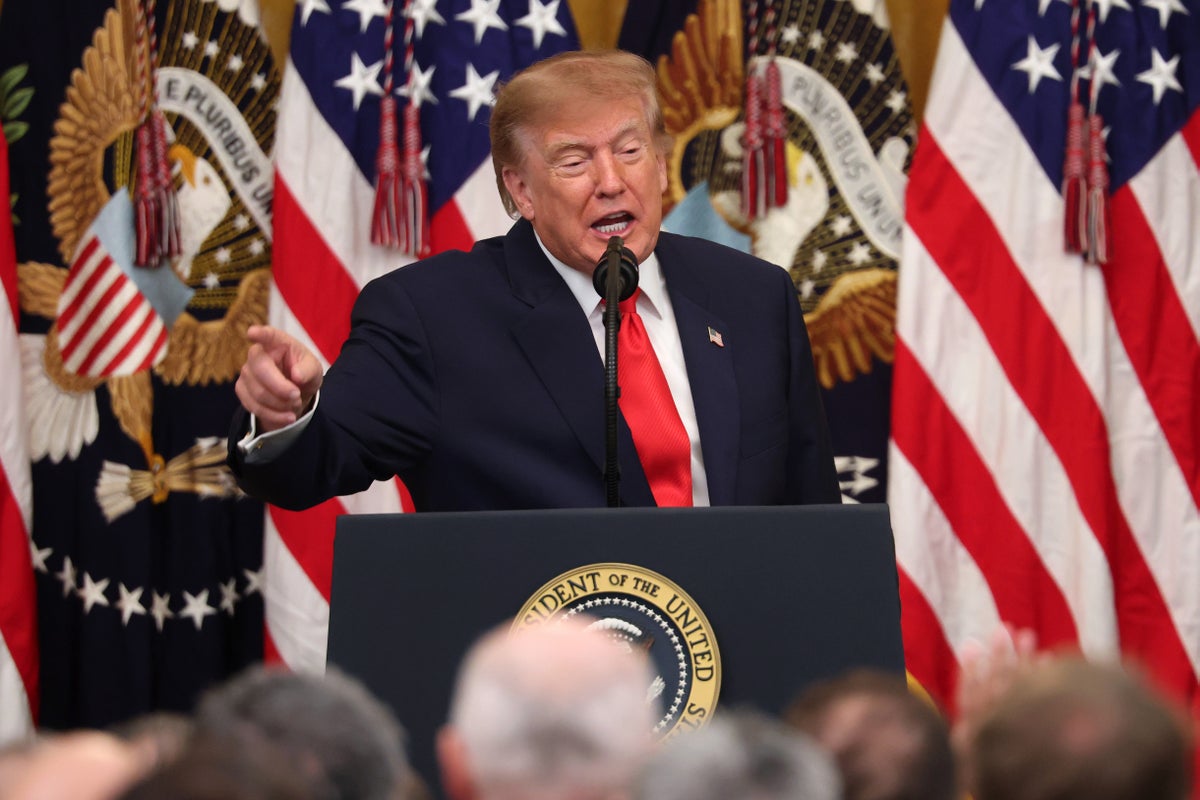
President Donald Trump has responded with a 50 % tariff on Canadian cars and raw materials and has threatened to block sales of Bombardier aircraft in the United States unless the company shifts manufacturing to the U.S. Trump also signed an executive order renaming Lake Ontario as “Lake America,” a symbolic move rejected by Canadians.
Negotiations collapsed on August 21 after days of talks in Washington. Carney cited unacceptable U.S. terms, including restrictions on Canadian trade deals with other countries and threats to French‑language protections in Quebec. While the U.S. trade official Jamieson Greer acknowledged the sensitivity of those issues, polls show limited U.S. approval of the tariffs and broad Canadian support for Carney, though the trade war’s long‑term effects remain uncertain.