US forces now control or have access to more than 100 defence facilities on Australian soil, a figure that analysts describe as a saturation of the continent. The Nautilus Institute database shows 17 Australian bases under direct US control and 75 more that the US can use, with an additional 18 accessed by US defence corporations, bringing the total to 110 sites—over half of all Australian military installations.
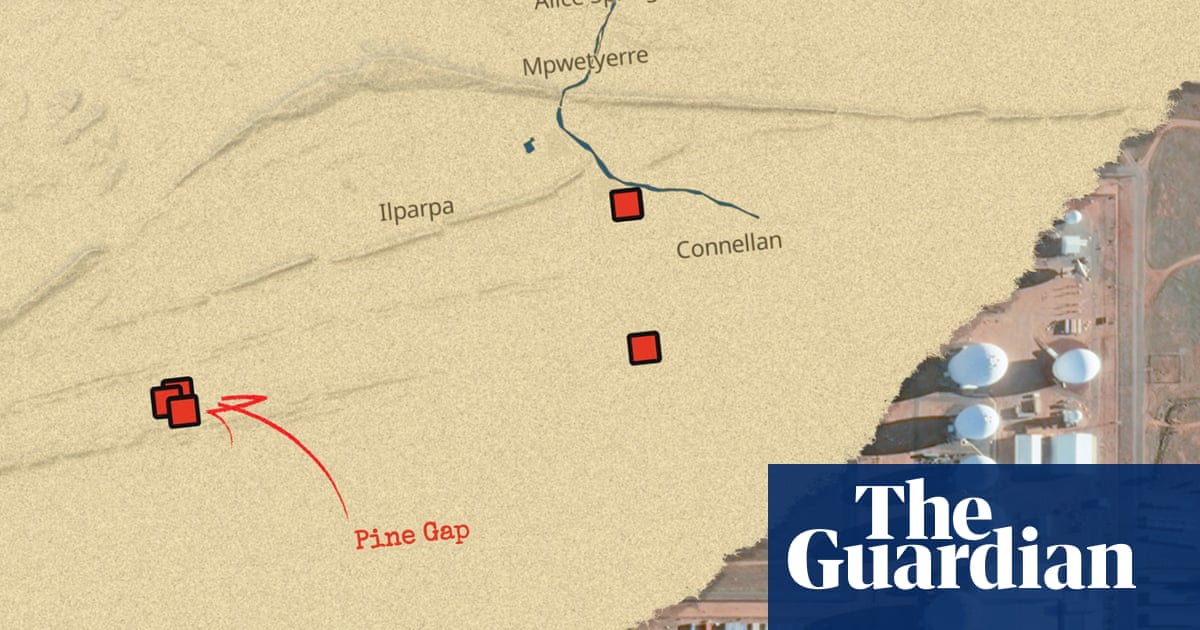
The facilities serve a range of purposes. They provide intelligence gathering, satellite and communications intercepts, and training grounds for up to 2,500 US marines rotating through the Northern Territory. The US also pre‑positions warfighting assets such as Osprey aircraft and stores weapons, munitions and fuel in logistics hubs that could be activated in a Pacific conflict. Pine Gap, a joint facility known for signals intelligence, is the best‑known example, while the Bradshaw field training area in the Northern Territory is the size of Cyprus but largely unknown to the public. In June, the government announced the Bandiana base in Wodonga, where tens of millions of dollars worth of US weapons and vehicles would be stored.
Beyond military use, at least 42 Australian bases are accessed by US contractors. Lockheed Martin assembles guided missiles in Port Wakefield, South Australia, and Northrop Grumman is building rocket motors at Mulwala, New South Wales. These partnerships are framed as promoting interoperability and providing a second source of critical munitions for allied forces. The Force Posture agreement gives US forces and contractors “unimpeded access” to agreed Australian facilities, including for deploying forces and refuelling aircraft.
Australian public opinion shows a mixed view of the growing footprint. A Lowy Institute poll found only 55 % of Australians favour the US basing programme, down from 63 % in 2022, and 73 % view the alliance as important for national security. Confidence in the United States to act responsibly has fallen to 31 %, the lowest in the poll’s history, while 59 % now believe Australia would be better served by a more independent foreign policy. These figures suggest that while the alliance remains valued, scepticism about the depth of US influence is rising.