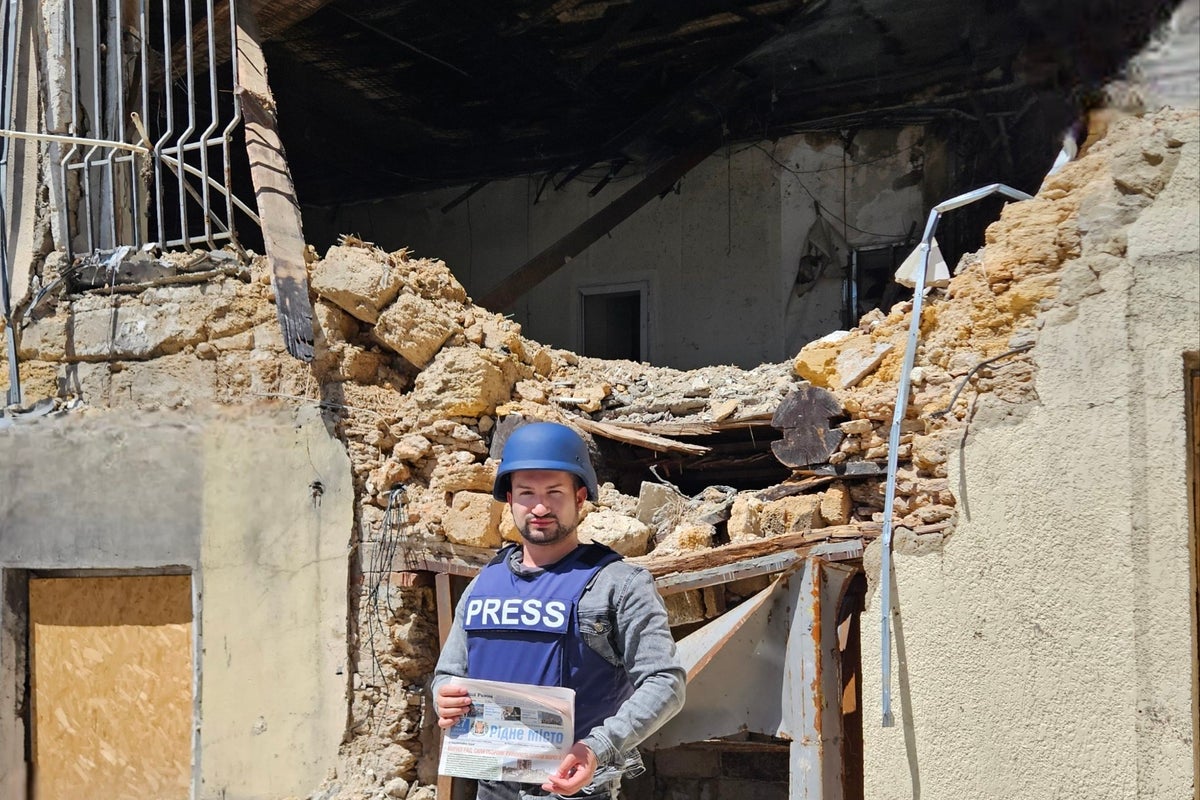
In the weeks before Vladimir Putin’s February 24, 2022 invasion of Ukraine, Kyiv newspapers reported on ordinary matters such as tourism, school meals and the Omicron variant. The day the Russian tanks crossed the border, businesses closed, martial law mobilised hundreds of thousands of men, and about a million people fled. A small group of local journalists stayed to document the conflict as missiles fell.
Oksana Brovko, chief executive of the Association of Independent Regional Press Publishers of Ukraine (AIRPPU), says most of those journalists became war correspondents overnight. She has spent four years organising aid for regional media, delivering bulletproof vests, first‑aid kits, generators and charging stations so reporters could continue working. AIRPPU has supplied more than 180 outlets with material support, grants and business models to keep them in print.
The threat to life remains acute. In July alone, eight local outlets were destroyed by Russian missiles or drones, and more than 300 have closed since 2022. UNESCO estimates that 28 percent of Ukrainian outlets have shut since the invasion, with 37 percent of newsrooms partially or fully evacuated. Internews International reports a clear deterioration in operating conditions, worsened by the suspension of foreign aid programmes.
Mobilisation has shrunk newsroom staff from an average of 10–20 reporters to just three–five, and the evacuation of residents has cut subscription revenue while business relocations have dried up advertising. Nearly three‑quarters of editors cited lack of funding as a primary challenge last year, up from 58 percent a year earlier. Staffing shortages, driven by mobilisation, now outrank stress and burnout as the main concern.
Brovko warns that the war also threatens the press’s broader role in scrutinising local government, as journalists face pressure from officials to curb investigations. She stresses the need to move from survival to resilience, noting that AI could free reporters from routine tasks. AIRPPU has partnered with OpenAI and the World Association of News Publishers to provide Ukrainian outlets with tools and expertise, aiming to give journalists more time to report on the front lines.