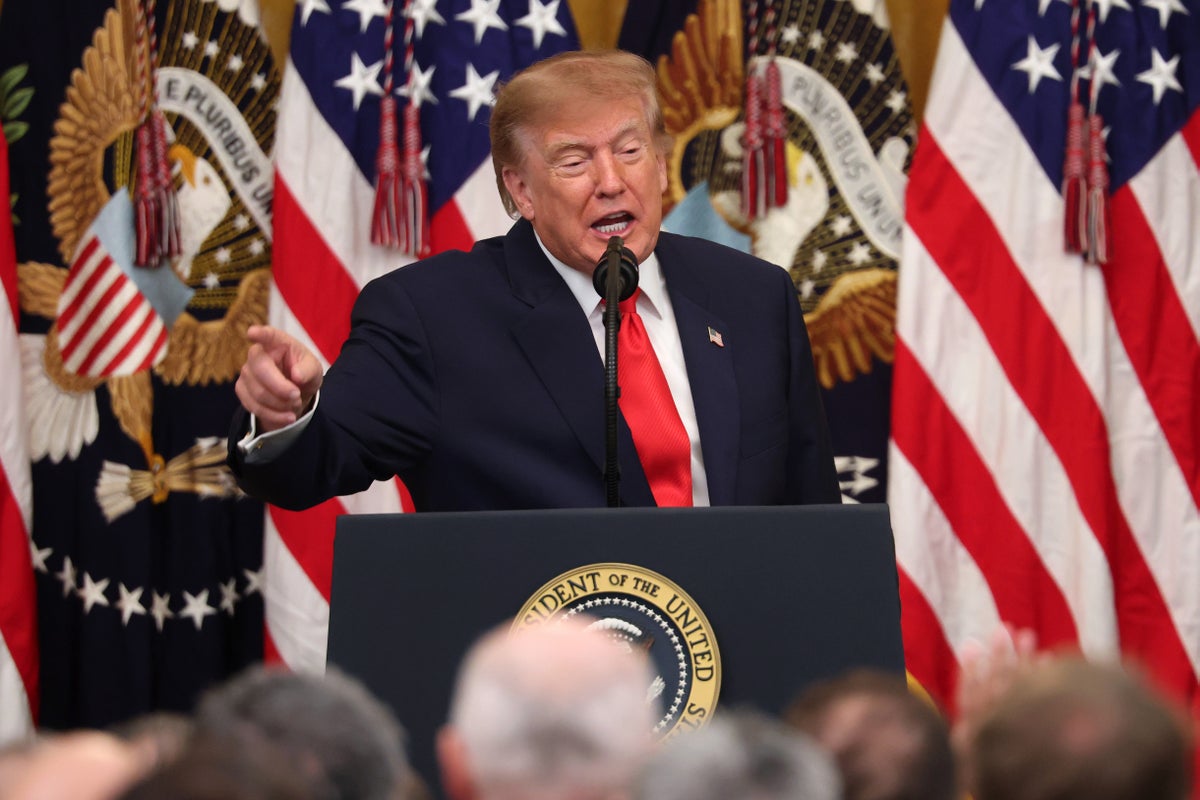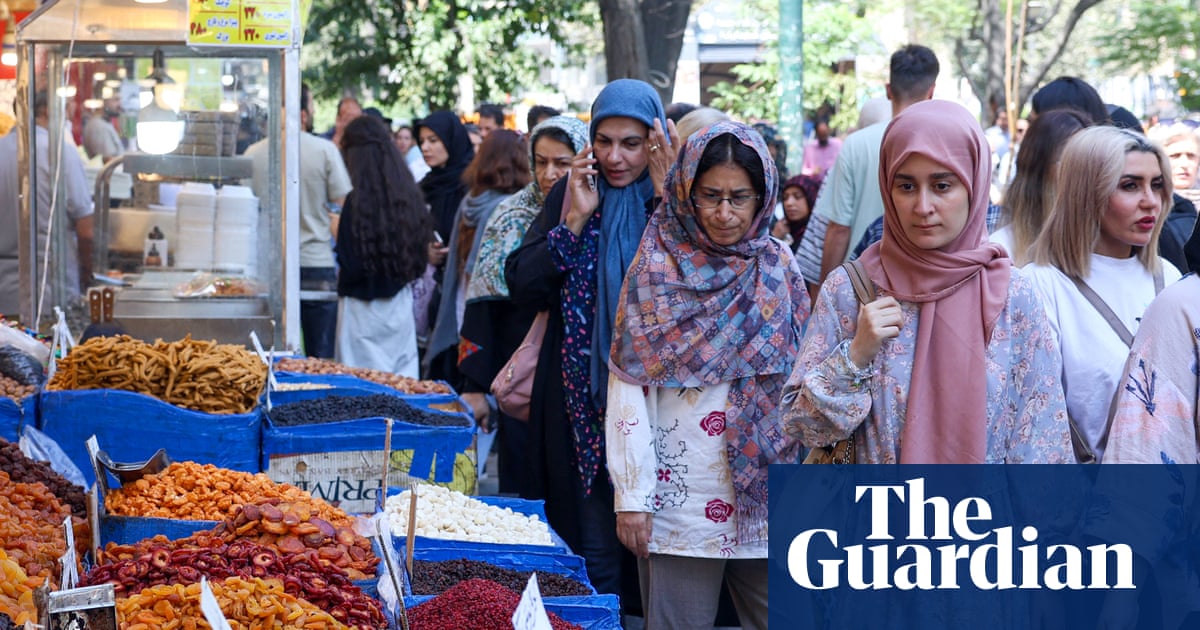
Iran has vowed to retaliate against any country that cooperates with the US attempt to impose fresh sanctions, in what the US Treasury secretary, Scott Bessent, has billed as ‘the single greatest financial offensive ever marshalled against an adversary.’ In response to the US announcement, the United Arab Emirates, Iran’s single biggest trading partner in the Middle East, announced it was ending all trade with Iran, a move Tehran believes was coordinated between Washington and the UAE. The US has said it will impose sanctions on any country or entity trading with Iran – what are known as secondary sanctions. The test of the US rhetoric is likely to rest on whether countries such as India, China and Russia believe continued trade with Iran would lead to credible US reprisals against their economies.
China has for decades been the main importer of Iranian oil, and in May, the US threatened sanctions against Chinese refiners and the banks funding them. However, the Chinese commerce department directed Chinese firms to ignore US warnings over Iranian oil imports, saying the threats were illegitimate. The US had imposed sanctions on Hengli Petrochemical (Dalian) Refinery Co in April but largely backed off as Donald Trump realised he was risking a wider trade and tariff war with China that the US was likely to lose.
This time the Chinese foreign ministry spokesperson, Lin Jian, again said China opposed unilateral sanctions that lacked basis in international law. Iran’s oil shipments to Asia have already all but ended due to the effectiveness of a US naval blockade of Iranian ports, driving the cost of those cargoes to the highest levels in years. Last week, Iran’s central bank governor, Abdolnaser Hemmati, admitted his country’s crude exports had ‘virtually stopped’ due to the US blockade.
The White House believes the Iranian economy is once again on the brink of collapse due to hyperinflation and lack of foreign exchange income caused by the US blockade of oil exports. Iran’s security chief, Mohsen Rezaei, said Tehran would respond with an ‘earthquake-like’ retaliation if Washington proceeded with the proposed measures. He also warned Iran’s Gulf neighbours against joining the US sanctions campaign, saying that if they did, ‘not a drop of oil will leave the Persian Gulf and the strait of Hormuz.’ Iran’s foreign minister, Abbas Araghchi, dismissed the expected sanctions as a sign of US desperation, arguing that the measures would fail to defeat Tehran.
Reza Nasri, an international lawyer with links to the Iranian foreign ministry, said the US announcement was ‘not a measure against Iran. It is a claim of jurisdiction over the world, and every sovereign state on Earth is its real addressee. Iran is merely the occasion.’ Esmail Baghaei, the Iranian foreign ministry spokesperson, said that obliging or intimidating other countries to stop or limit their trade relations with another country means violating the most important foundation of international relations and the most fundamental pillar of the United Nations charter, which is respect for the national sovereignty of countries.
Hassan Ahmadian, a professor of west Asian studies at the University of Tehran, said that ‘there isn’t a single new sanction. Everything in Iran has been under primary and secondary sanctions since 2018.’ He added that the big fanfare about an ‘economic war’ is really just a public admission of a major step backward, and that after failing militarily, Washington is clearly stepping back to square one – the economy. Last Thursday, the Treasury secretary, Scott Bessent, claimed in an interview with CNBC that ‘the US will lead the Islamic Republic of Iran to collapse with the toughest sanctions in history.’ He also said that ’total financial isolation can obviate the need for American force while enlarging the sphere of freedom for our allies.
Those who sever Iran’s remaining financial and commercial connectivity will reinvigorate their own. They will deepen their access to global capital, reinforce confidence in their markets and attain the standing they seek in the world economy.’ China and Russia have so far shown no interest in succumbing to US pressure. By coincidence, Pakistan’s army chief, Field Marshal Syed Asim Munir, flew to Tehran on Monday where he will explore the opportunity to revive talks on the stalled memorandum of understanding signed in June, but not implemented either by Iran or the US largely due to a dispute about whether the memorandum granted Iran interim control over shipping in the strait of Hormuz.