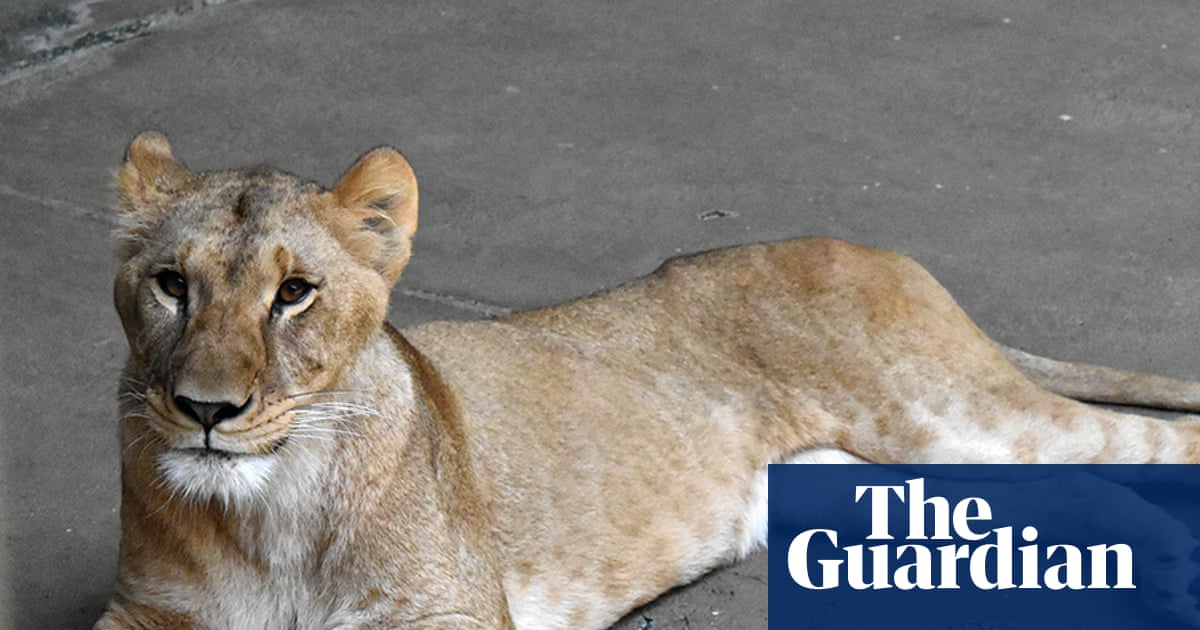
A Tokyo zoo has reported the deaths of three lions due to suspected heatstroke, with several others undergoing treatment, as Japan continues to experience high levels of humidity. The Tama zoological park, home to 16 lions, has seen 10 of its big cats suffer from loss of appetite and decreased activity since mid-July, with three lionesses succumbing to the heat.
The cause of the deaths is believed to be heatstroke, with dehydration and multiple organ failure observed by a veterinarian. Despite lions being thought to be resistant to heat, the zoo’s high humidity has proven challenging for the animals. According to a zoo spokesperson, the heat in Japan is different from the dry air in Africa, and the sudden onset of heat after the rainy season has made it difficult for the lions to adapt.
The zoo has been strengthening countermeasures to cope with the heat, including sprinkling water, improving ventilation, and installing spot air conditioners. Several lions are still being treated, and the zoo is working to prevent further heat-related illnesses.
The heatwave in Japan has not only affected the zoo animals but also the human population. Between July 20 and 26, approximately 18,600 people were taken to hospital for heatstroke, with 45 pronounced dead on arrival. Authorities have adjusted the timings of cultural and sporting events to mitigate the effects of the heat, and the country aims to halve its annual heat-related deaths of 1,300 by 2030.
Scientists attribute the increasing frequency and intensity of extreme heat events in Japan to human-induced climate change. The country’s highest recorded temperature was 41.8C in Isesaki, north of Tokyo, last August. The heatwave has also affected neighboring South Korea, where rising summer temperatures have been linked to at least 16 deaths.