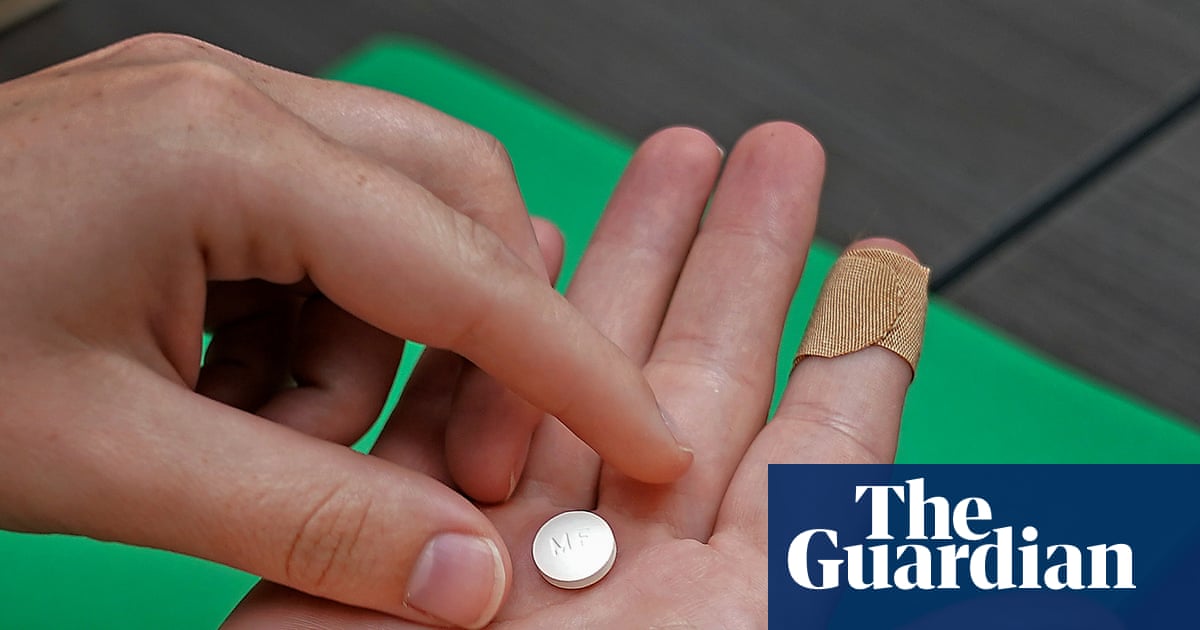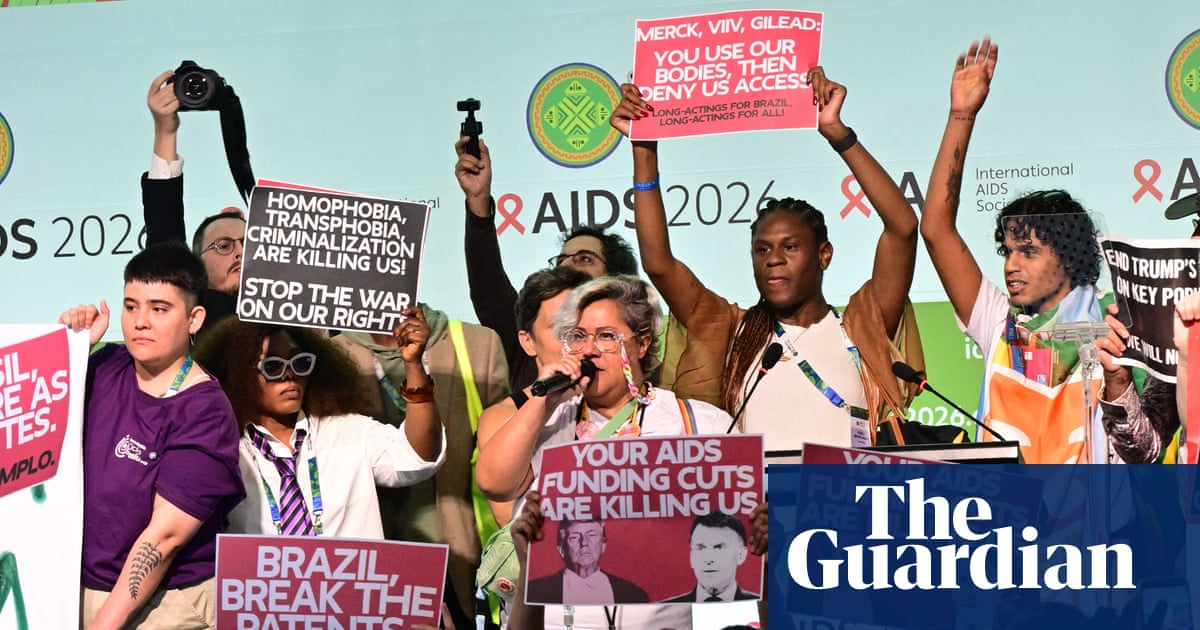
According to experts at the Aids 2026 Conference in Rio de Janeiro, Brazil, new innovations in HIV prevention could significantly reduce the number of new HIV cases globally. However, US foreign aid cuts will hinder access to these new medications for those who need them most. One year ago, the World Health Organization (WHO) recommended that governments prioritize expanded access to lenacapavir, an injectable version of the HIV prevention medication PrEP that requires only two injections annually.
PrEP, which also comes in the form of daily oral medications and bimonthly injections, is 99% effective in preventing sexually transmitted HIV for people who take it consistently. The WHO noted that access to lenacapavir is limited outside clinical trials, but recommended that governments scale up its availability due to its potential to be game-changing for populations with barriers to accessing current medications. For people facing poverty, stigma, or living in rural areas far from healthcare services, accessing a daily pill or regular injection can be nearly impossible.
Lenacapavir would provide strong protection against HIV with only two annual healthcare visits. A mathematical modeling study estimated that widespread availability of lenacapavir could prevent 41% of new HIV infections in South Africa, Zimbabwe, and western Kenya. Notably, when the WHO recommended global investment in lenacapavir in 2025, the Trump administration was dissolving USAID, which provided 73% of donor-funded resources for HIV prevention globally.
As of July 2026, multiple reports show that investment in HIV prevention has declined dramatically worldwide. Beatriz Grinsztejn, president of the International Aids Society, stated that despite major achievements in prevention, funding cuts are affecting the delivery of new prevention technologies and decreasing the number of people engaged in care and prevention services. Grinsztejn is also an infectious disease physician and researcher at the HIV prevention organisation Fiocruz in Rio de Janeiro.
The funding cuts not only affect medication availability but also the ability of organisations to reach those who need them. Ailish Brennan, a policy analyst at Harm Reduction International, noted that funding cuts have impacted peer outreach workers, crucial for reaching people who use drugs and engaging them with services. People who inject drugs are at high risk for contracting HIV, especially without access to clean syringes.
Organisations are responding to funding cuts by reducing outreach services, which can lead to clients losing trust and local points of contact. This means that innovations like long-acting injectables may not reach those who need them most. At the press conference, Grinsztejn noted that even before the dissolution of USAID, much of Latin America was left out of agreements with US-based pharmaceutical companies to make innovative HIV prevention more affordable.
Gilead Sciences provides generic versions of long-acting medications to low- and middle-income countries at a lower price, but excludes countries like Brazil, Colombia, Mexico, Peru, and Argentina by classifying them as ‘upper middle-income countries’. HIV advocates dispute this justification, partly because people in these countries played a key role in clinical trials to test these medications. Grinsztejn expressed that while prevention technologies are available, it’s hard to fulfill the UNAIDS goal of eliminating AIDS as a public health threat by 2030 given the current scenario.