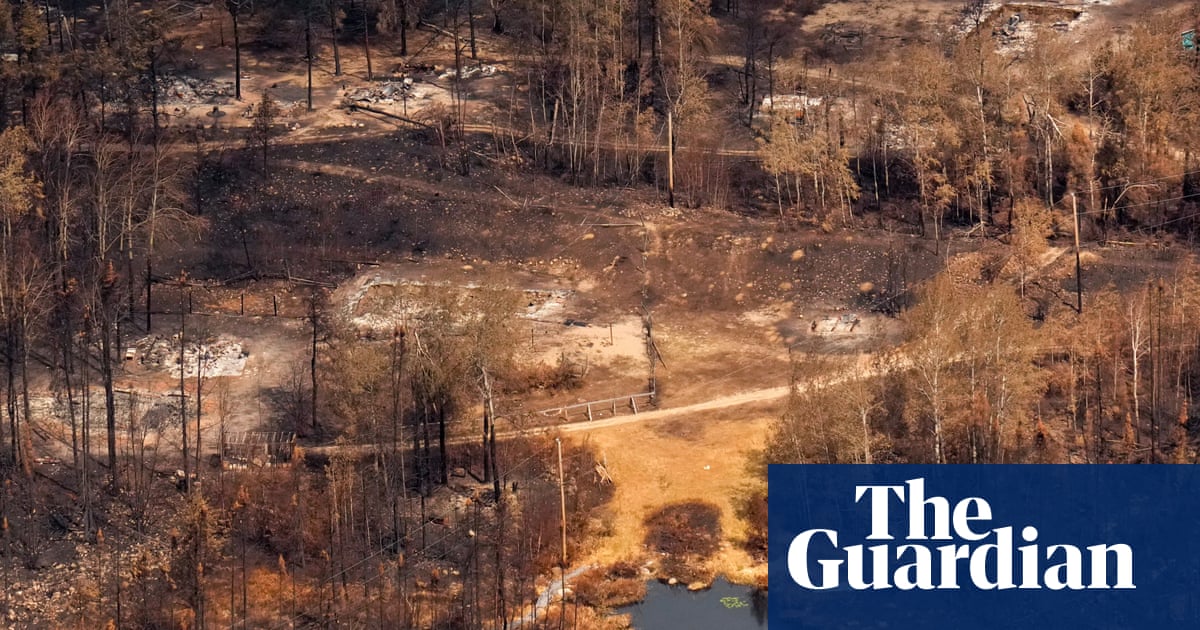
Canada is battling an unprecedented number of wildfires, with over 900 blazes currently raging across the country. The hot, dry weather has led to the scorching of approximately 3 million hectares of land. The Northwest Territories and Ontario are of particular concern, with several fires remaining out of control.
The poor air quality caused by the wildfires has been reported across the affected regions, with smoke carried by winds into the US and even as far as northern Europe. The risk of further blazes remains high as North America enters the peak of fire season, leaving authorities on high alert. In a separate weather-related development, the city of Salta in Argentina experienced its warmest-ever overnight minimum temperature on Saturday, with temperatures failing to drop below 26C (79F).
This is particularly remarkable given that Argentina is in the middle of winter, with Salta’s average night-time minimum usually around 3C. The unusual warmth was driven by the Zonda wind, a phenomenon that occurs when westerly airflow crosses the Andes before descending, warming, and drying as it sinks back to ground level. This process, known as the Foehn effect, is not uncommon but the intensity experienced in Salta last weekend was unusual, potentially exacerbated by the rapidly developing El Niño in the eastern Pacific.
The strengthening El Niño is also expected to increase typhoon activity in the western Pacific. Tropical Depression 11 formed on Tuesday and developed into Tropical Storm Noul north of the Philippines on Thursday night. The system is forecast to intensify into a typhoon over the coming days, tracking between the Philippines and Taiwan before making landfall on China’s south-east coast on Sunday morning local time as a category 1 storm.