A prolonged heatwave in western and central Europe has led to unusually warm rivers, affecting French nuclear power plants and increasing the risk of wildfires across the Iberian peninsula. Above-average temperatures and below-average rainfall in June and early July have caused river levels to fall and water temperatures to rise, placing pressure on ecosystems and energy infrastructure.
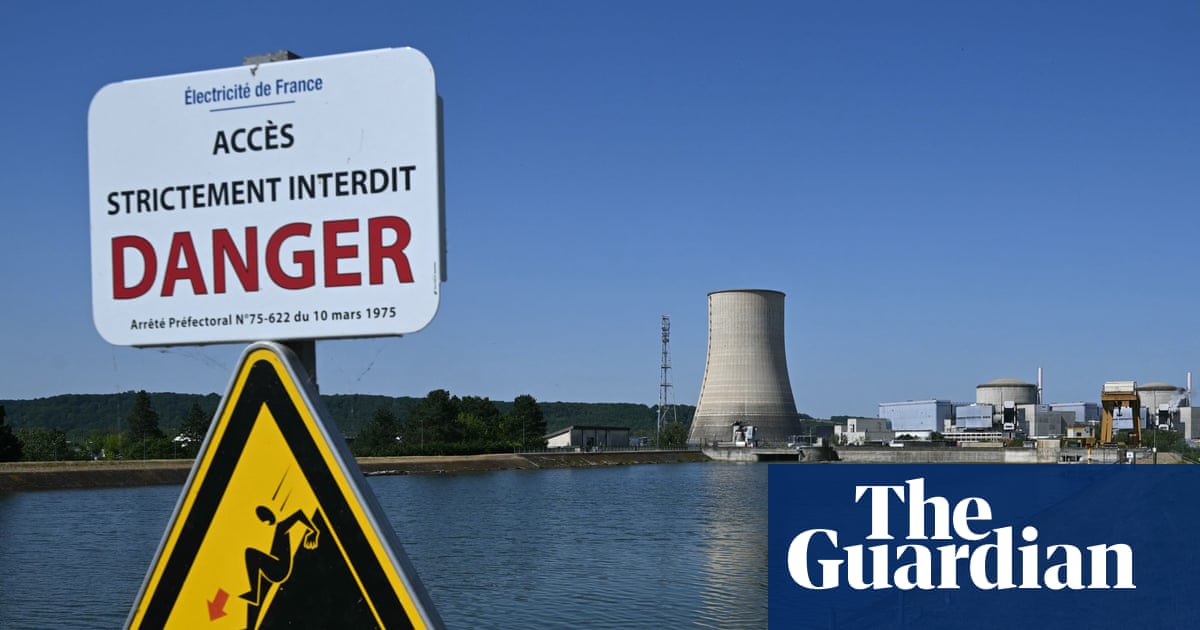
In France, several nuclear power stations rely on river water for cooling, but under environmental regulations, operators must limit the amount of heat discharged back into rivers. This means electricity output may need to be reduced when water temperatures become too high. Earlier this month, EDF temporarily shut down a reactor at the Golfech nuclear power station, and production restrictions are expected at the Nogent nuclear power station from 14 July if the river reaches its forecast temperature.
The heatwave has also led to an increase in electricity demand due to the use of air-conditioning across Europe. Meanwhile, the same weather pattern has produced dangerous wildfires in Spain, with several significant fires occurring last week. One of the largest fires occurred in the Almería province, prompting evacuations and extensive firefighting operations.
Although temperatures are forecast to ease slightly in some areas, weather models indicate that warmer-than-average conditions will continue across southern Europe during the coming week. With little widespread rainfall expected, vegetation will remain dry, and the risk of wildfires will remain elevated across Europe. Rivers in western Europe will also continue to experience unusually warm conditions.
In Asia, Typhoon Bavi has weakened to a severe tropical storm after making two landfalls along China’s eastern coast. Despite this, it continues to pose a significant flooding threat as it moves inland. The storm has already caused damage and disruption in Taiwan and Japan, and its slow progression is expected to prolong heavy rainfall across eastern China, increasing the risk of flash flooding, river flooding, and landslides.