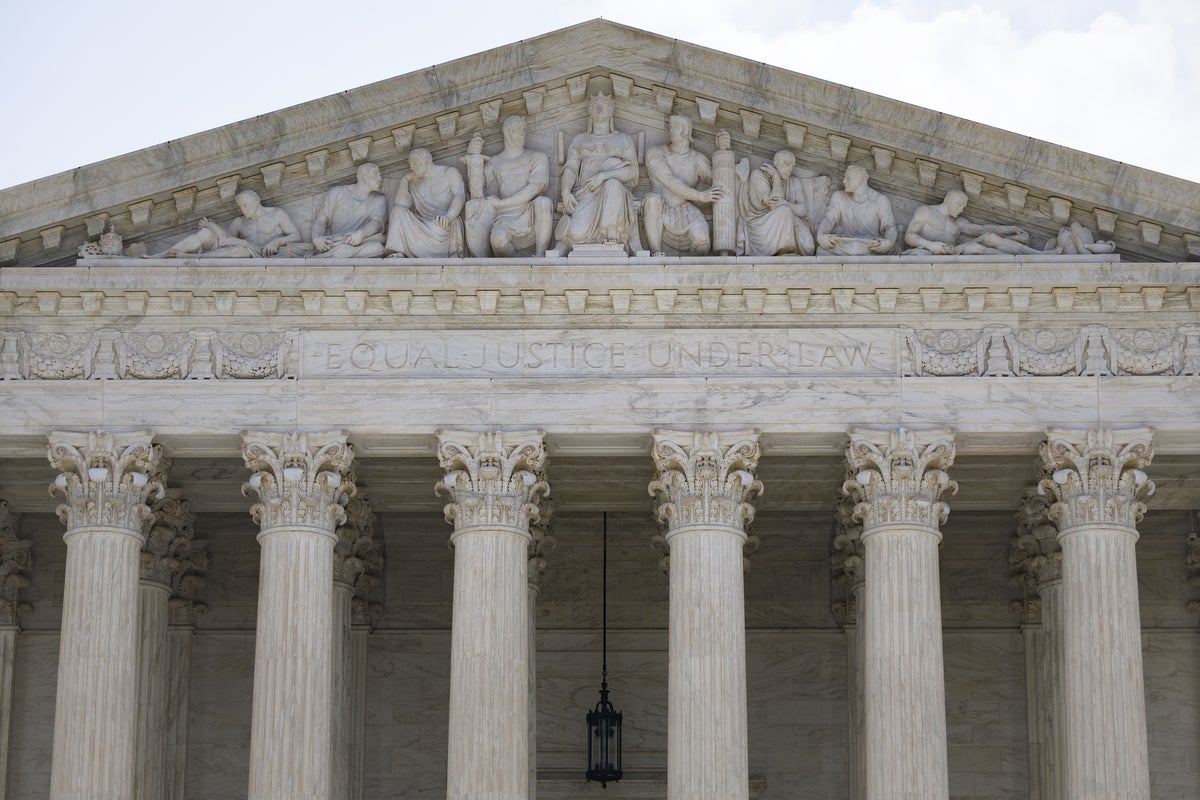
The United States Supreme Court has agreed to hear a dispute over whether a Roman Catholic nonprofit can construct a shrine dedicated to the Virgin Mary on a residential parcel adjacent to its church in Kentucky.
The petitioners, the Missionaries of Saint John the Baptist, argue that a federal statute protects religious expression from local land‑use regulations that would impose a substantial burden. They claim the Kentucky Supreme Court misread that statute when it ruled against the group’s plan to build the shrine on a residential tract that the nonprofit acquired specifically for the project.
Last December, the Kentucky Supreme Court held that a zoning board in Park Hills, a suburb of Cincinnati, lacked the authority to grant a variance allowing the shrine on the residential property. A nearby family, concerned about increased traffic, successfully challenged the board’s ruling in state court and urged the U.S. Supreme Court to reject the petition, stating that federal intervention is unwarranted in a local zoning dispute.
Opponents of the shrine say the church group was aware that zoning laws prohibited construction on the adjacent residential land when it purchased the property. They also contend the group has not demonstrated why it cannot erect the shrine on its own church grounds, and they argue that the conflict among lower courts is entrenched and that federal courts should not overstep in this matter.