Israel’s security agency, Shin Bet, had warned that security measures at United Arab Emirates airports were inadequate for months before a pilot attempted to hijack a Flydubai passenger plane bound for Tel Aviv. The director of Shin Bet, David Zini, reportedly clashed with Israeli airlines over restrictions on flights to the UAE, citing concerns about potential missile or airport attacks.
Israeli authorities had already imposed restrictions on El Al, Israir and Arkia, which lacked the necessary security clearances. El Al announced on 24 September it would suspend its Dubai route until 30 November, while Israir and Arkia sent cancellation notices to customers. The ban did not apply to foreign carriers, allowing Flydubai to continue 10 daily flights between Tel Aviv and Dubai.
After the hijacking attempt on Wednesday, Israel suspended Flydubai’s flights to the UAE for six days. The Emirates subsequently agreed to install additional screening machines at check‑in counters used by Israeli airlines. Arkia said it would resume two daily direct flights to Dubai once approvals were secured, and El Al planned to resume its route in November.
Shin Bet, Mossad, the IDF and the Transportation Ministry are investigating the incident. Sources say the hijacker was a lone wolf, not following instructions from Iran or a terror organisation. A joint Israeli security team is looking into whether the pilot was properly searched for weapons before boarding.
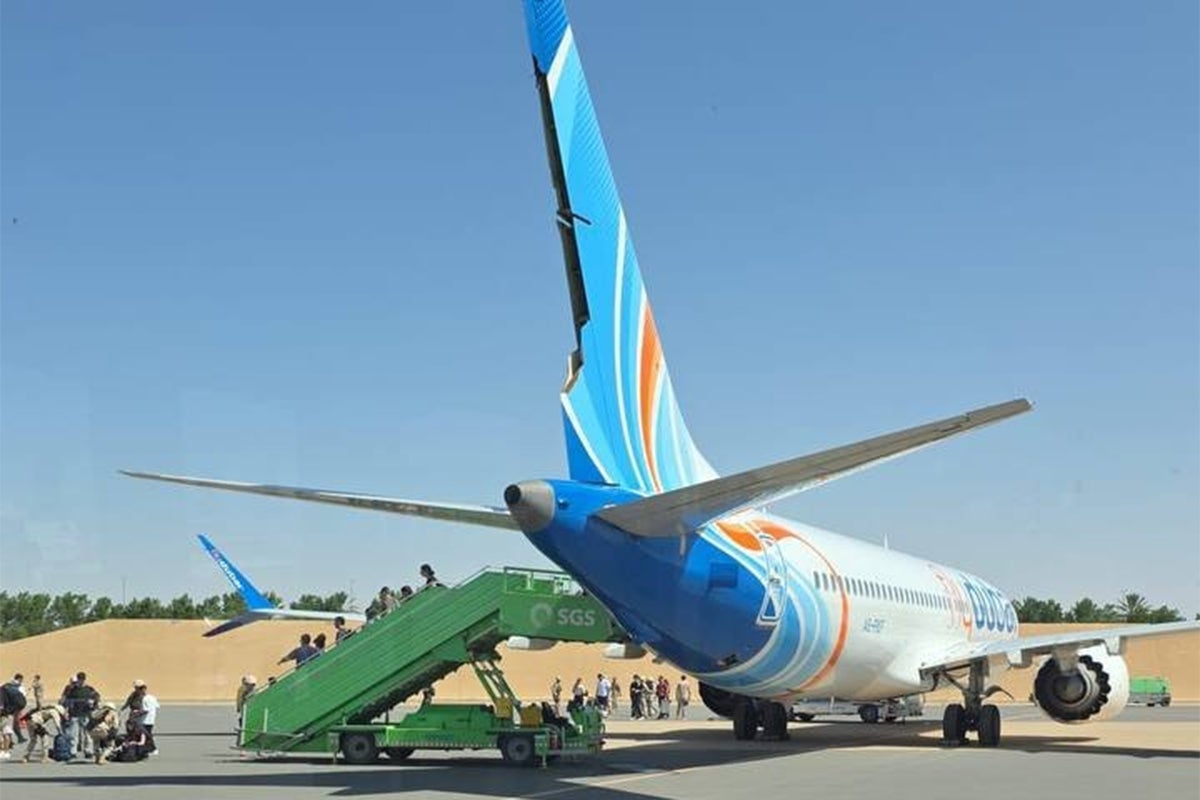
Flydubai’s flight FZ1073 landed safely at Prince Sultan bin Abdulaziz International Airport in Tabuk after a distress call at 8.44 am local time. The flight had been turned away by Saudi Arabia and Jordan before landing. Israeli Prime Minister Benjamin Netanyahu met with UAE President Mohamed bin Zayed in a six‑hour meeting that focused on Iran.