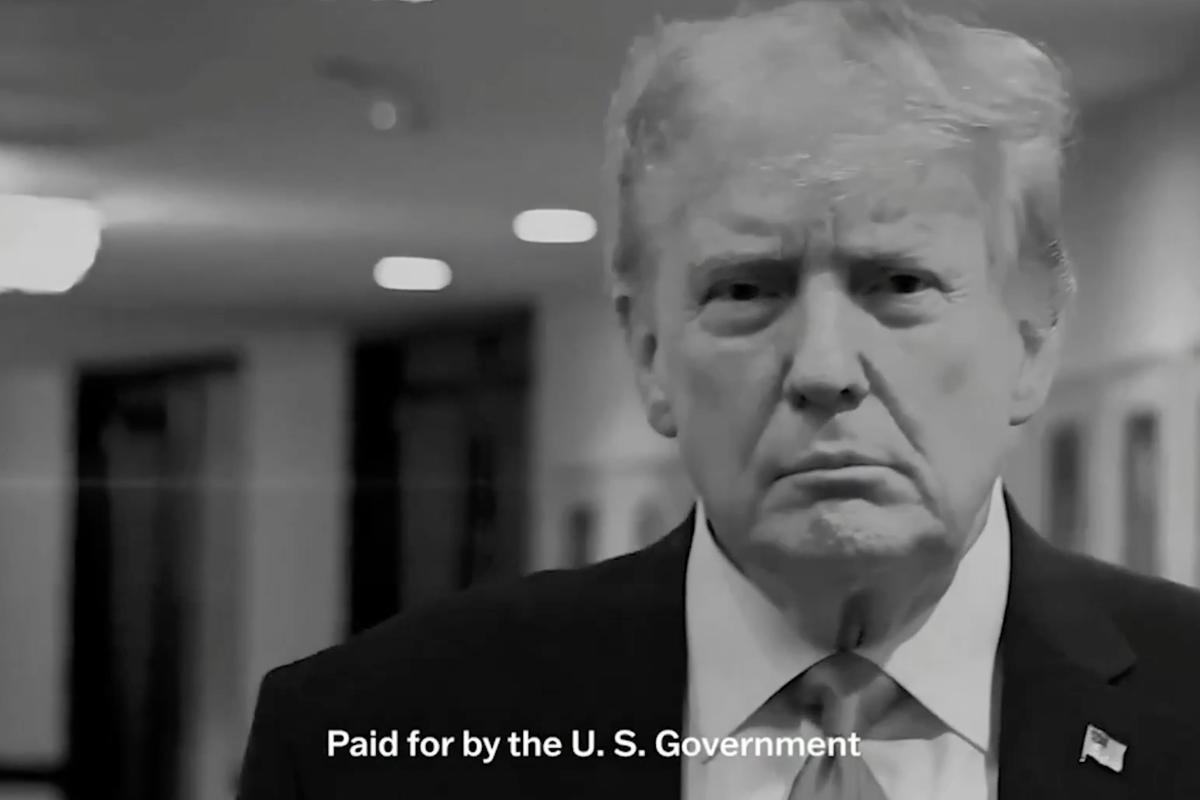
Donald Trump will not appear on any ballots in the upcoming mid‑term elections, yet the White House has been airing campaign‑style television advertisements funded by taxpayer dollars. The ads, which echo Trump’s promises to dismantle the “deep state” and “fake news,” were broadcast on Fox News, CBS, NBC’s Saturday Night Live, and during college and NFL football games, all ending with the caption “Paid for by the U.S. Government.”
At least three such commercials have aired in recent days, with a fourth titled “Final Battle” running on Sunday. The content includes Trump’s voice‑over promises to expel “warmongers” and “globalists” from the government, and a promotional clip featuring the song “Love Me” by JMSN. An AdImpact estimate suggests the total spend on these ads exceeded $1 million, though the administration has not released a detailed cost breakdown.
The ads have drawn sharp criticism from Democrats. Sen. Chris Murphy called the use of taxpayer money to fund campaign propaganda “totally illegal,” and former White House ethics lawyer Norm Eisen warned that federal law prohibits the use of public funds for partisan political advertising. A group of congressional Democrats demanded the ads be removed immediately and that any federal employees involved be disciplined.
Public Citizen, a consumer‑advocacy nonprofit, filed a formal complaint with the Government Accountability Office and the Office of Special Counsel on September 25, alleging violations of the Hatch Act. The complaint argues that the ads, which focus on Trump’s campaign rhetoric and imagery, are “simple propaganda devoid of any useful government function” and therefore illegal.
The White House has defended the broadcasts as “public service announcements,” stating that they are not campaign ads because Trump is not on the ballot and there is no call to action. However, the administration’s prior controversies—including the $220 million ad spend by the former Homeland Security Secretary’s agency and the firing of Kristi Noem after her testimony—continue to fuel scrutiny of the use of public funds for political messaging. The ongoing investigations and complaints suggest that the issue will remain a focal point for congressional oversight in the weeks ahead.