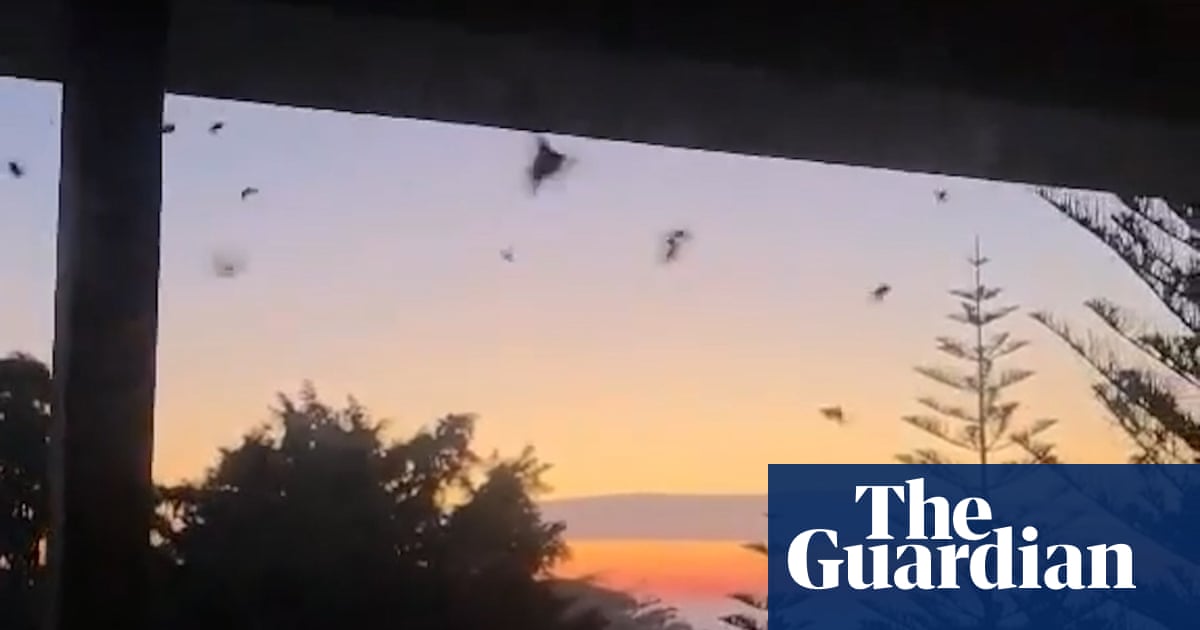
Swarms of bogong moths have surprised residents across New South Wales this week, with hundreds of sightings posted to the Bogong Watch citizen‑science page on iNaturalist. The sightings, which appeared in coastal towns over the weekend, have been described by experts as a cause for excitement rather than alarm.
The bogong moth begins its annual migration in spring, travelling up to 1,000 kilometres to cool alpine caves where it spends the summer. Bogong Watch volunteers, known as “sentinels,” use non‑lethal bug lanterns to monitor the insects. Three households reported dozens of moths on Monday, and one sentinel noted more than 200 on Sunday night.
Reproductive biologist Dr Marissa Parrott of Zoos Victoria, who runs the Moth Tracker program, said the numbers are unprecedented. “In September alone we’ve had more sightings than all of last year,” she said, noting that wetter, cooler weather may have fostered the strong migration.
The endangered moth, listed by the IUCN in 2021, is a key pollinator and food source for the critically endangered mountain pygmy possum. Experts urge the public to turn off unnecessary lights, avoid insecticides, and upload sightings to Moth Tracker or Bogong Watch. They also advise gently returning any moths that enter homes, as each female can lay up to 2,000 eggs and the species plays a vital ecological role.