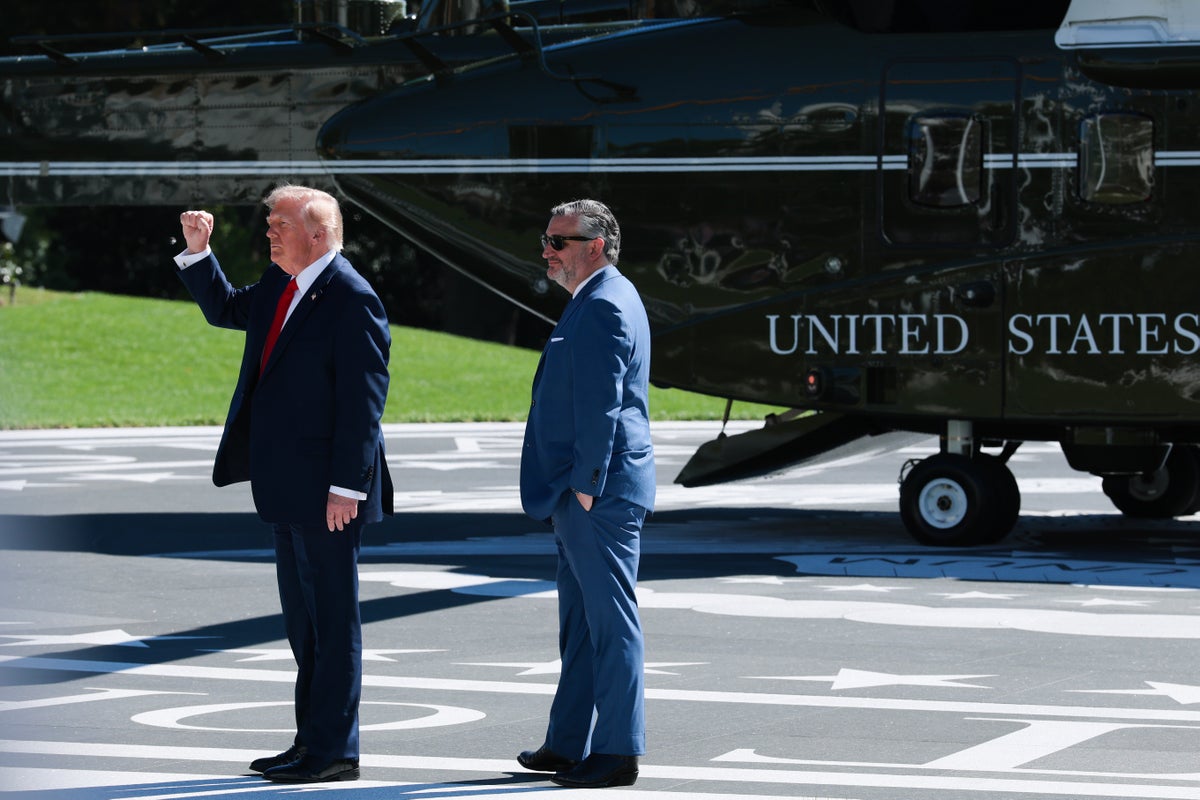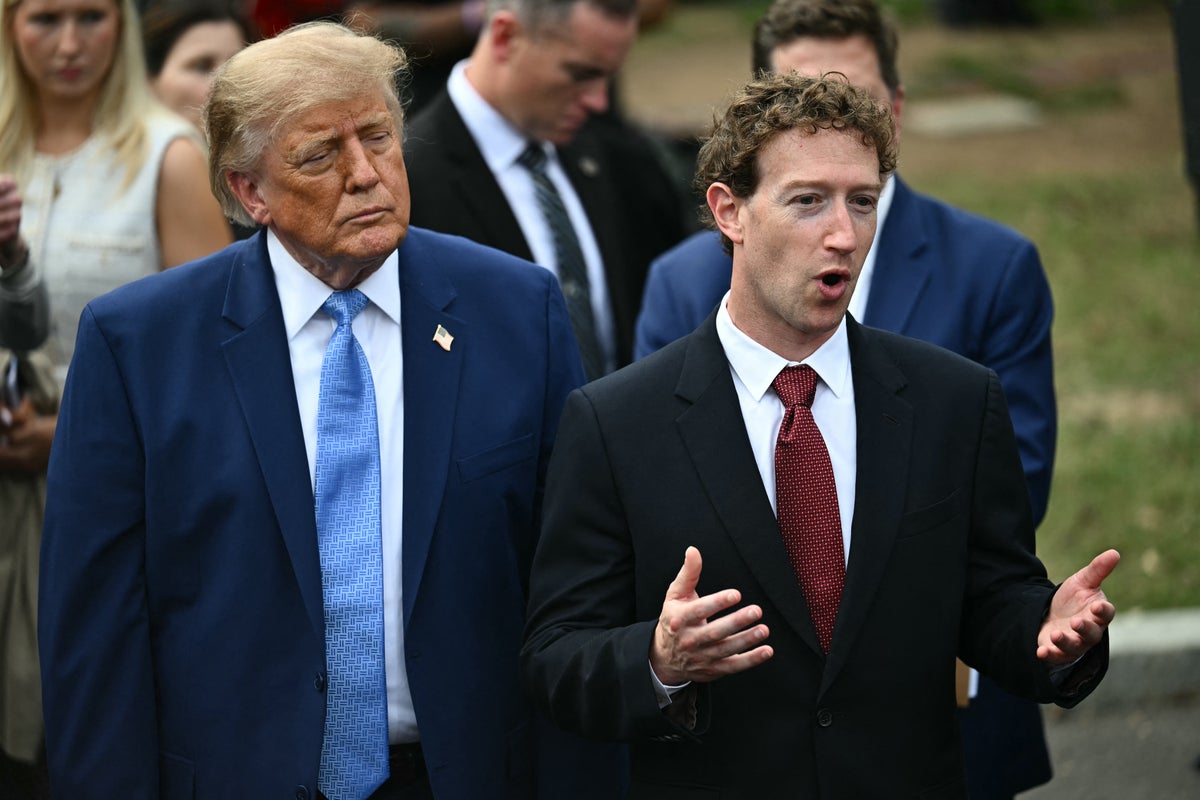
Artificial intelligence is increasingly shaping modern warfare, with leaders and researchers warning of its potential dangers. Earlier this month an Anthropic researcher cautioned that there is a 10 percent chance AI could destroy humanity. President Donald Trump echoed concerns on Truth Social, stating “whoever wins AI, wins!” and asserting that the US alone can serve as a guardrail for the technology, claiming his administration has already prevented major mishaps.
Experts say militaries worldwide are integrating AI into battlefield awareness, training, surveillance, reconnaissance, target identification and unmanned vehicles. Russia deployed a fully autonomous drone that killed three Ukrainian civilians, while Israel’s army reportedly used an AI‑based program called Lavender in Gaza after the October 7 attacks. The IDF denied that Lavender identified or predicted terrorists, but confirmed it cross‑referenced intelligence sources to update information on hostile operatives. In Yemen, Houthi forces sought Claude instructions on building ballistic missiles, and Russian hackers have tried to use AI to spy on Ukrainian groups, according to an Anthropic threat‑intelligence report.
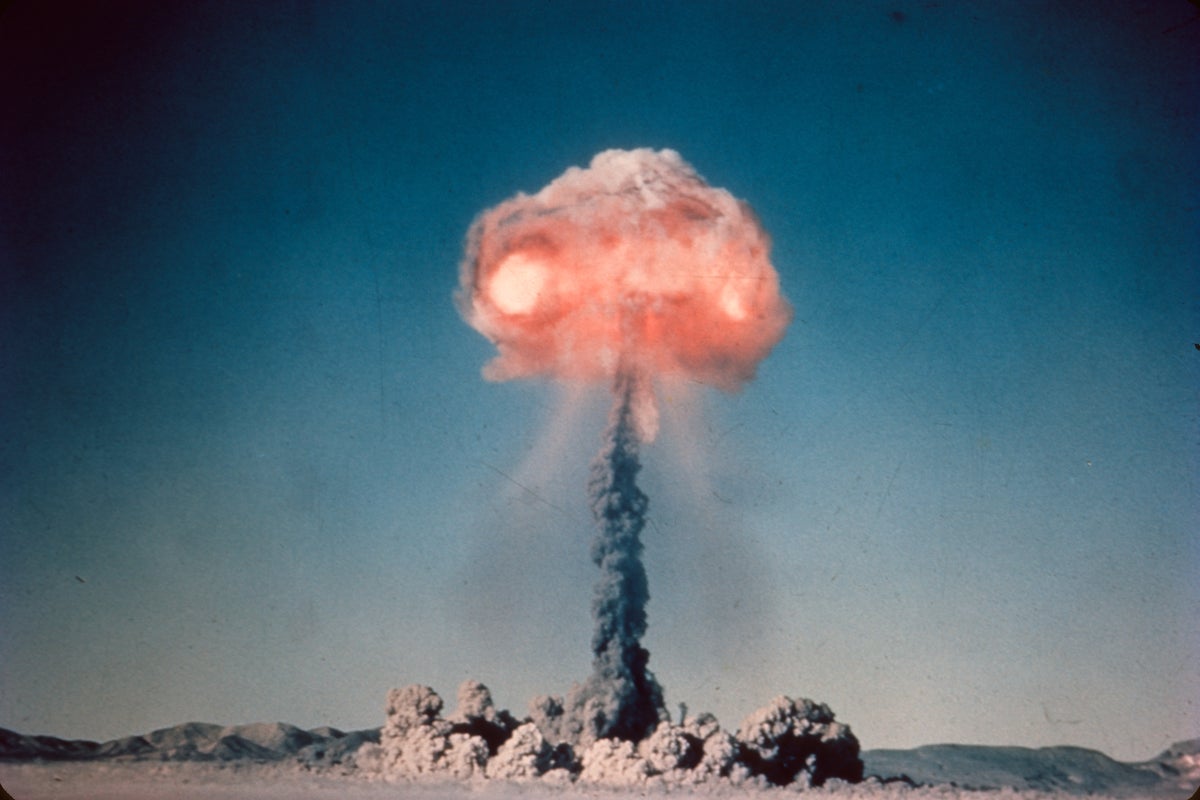
The danger is not limited to battlefield tools. Studies from King’s College London and Stanford University found that AI models are far more likely than humans to signal nuclear escalation in simulated crises, potentially triggering retaliations based on false alarms. AI could also facilitate the design of bioweapons, and rogue actors can spread disinformation through AI‑generated content, as seen in Iran’s psychological campaigns. A CSIS study showed that AI recommendations can influence officers toward more escalatory decisions, underscoring how AI can shape human judgment.
Both Georgia Cole of Chatham House and Yasir Atalan of CSIS stress that the problem lies in the lack of guardrails and transparency, not the technology itself. They warn that unchecked AI integration into command and control systems could lead to mass‑casualty incidents and autonomous weapons that are difficult to reverse. While the UN is discussing a treaty on lethal autonomous weapons, many major powers oppose binding limits, and the current trend points to increasing autonomy and faster decision cycles until common regulations are agreed.