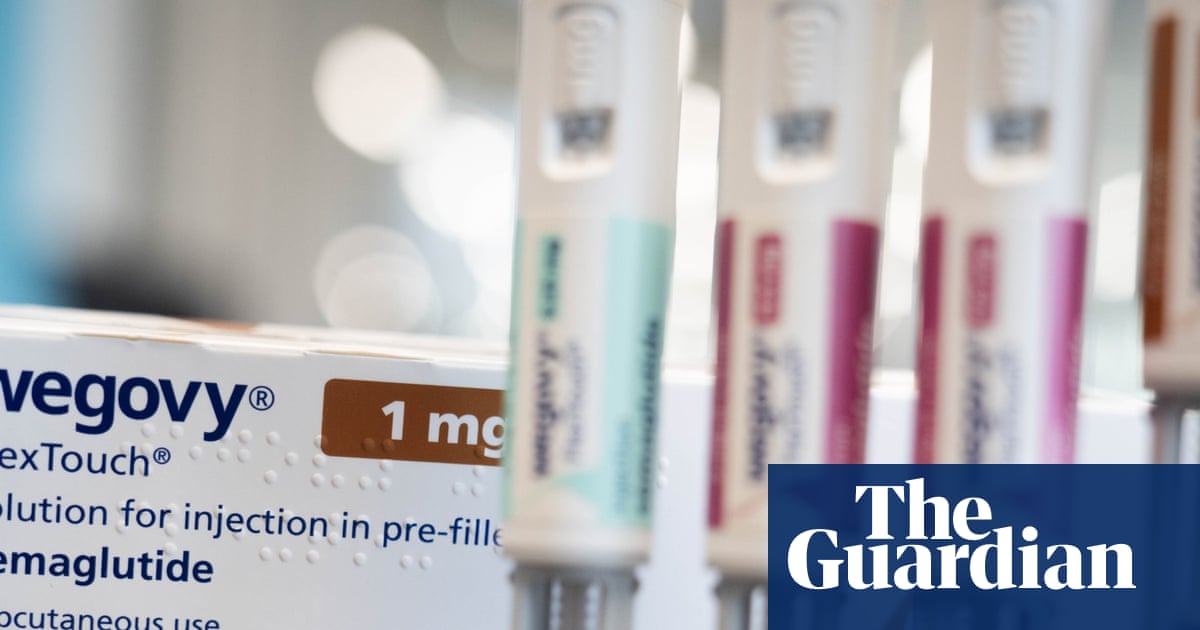
Australia’s Therapeutic Goods Administration (TGA) has issued a warning regarding several type 2 diabetes and obesity-related treatments, including Ozempic and Mounjaro, due to a potential link to a rare but severe eye disorder that could lead to blindness.
The warning was prompted by 36 reported cases of non-arteritic anterior ischaemic optic neuropathy (NAION), a condition that may result in permanent visual impairment. The TGA notes that no treatment has been shown to improve visual acuity outcomes after the condition develops.
Product information documents for Australians have been updated to reflect the new warning, and patients prescribed the drugs are urged to seek urgent medical attention if they experience sudden vision loss, including partial loss of vision. However, the TGA does not recommend patients stop treatment without first consulting a doctor, nor has it placed new restrictions on prescriptions.
According to Prof Helen Danesh-Meyer from the Royal Australian and New Zealand College of Ophthalmologists, NAION is a very rare condition that needs to be put in perspective to avoid causing alarm. She emphasizes that while blindness is a significant concern, the conditions these medications treat, such as heart attacks, stroke, and kidney disease, are very common and that the benefits of the medications remain significant.
The TGA first became aware of the potential link to NAION in 2024 after a study published in a peer-reviewed medical journal raised concerns. The regulator conducted an independent assessment of the potential association between GLP-1 RAs and NAION and sought advice from the national advisory committee on medicines. The committee concluded that the current evidence called for further action, including updated consumer and clinical safety warnings.
Novo Nordisk, the maker of Ozempic, Wegovy, and Saxenda, stated that patient safety is a top priority and that it continuously monitors the safety profile of its medicines in collaboration with the TGA and other regulators worldwide. The company believes that the benefit-risk profile of semaglutide remains favorable, considering the totality of evidence from clinical trials, post-marketing reports, and observational studies.