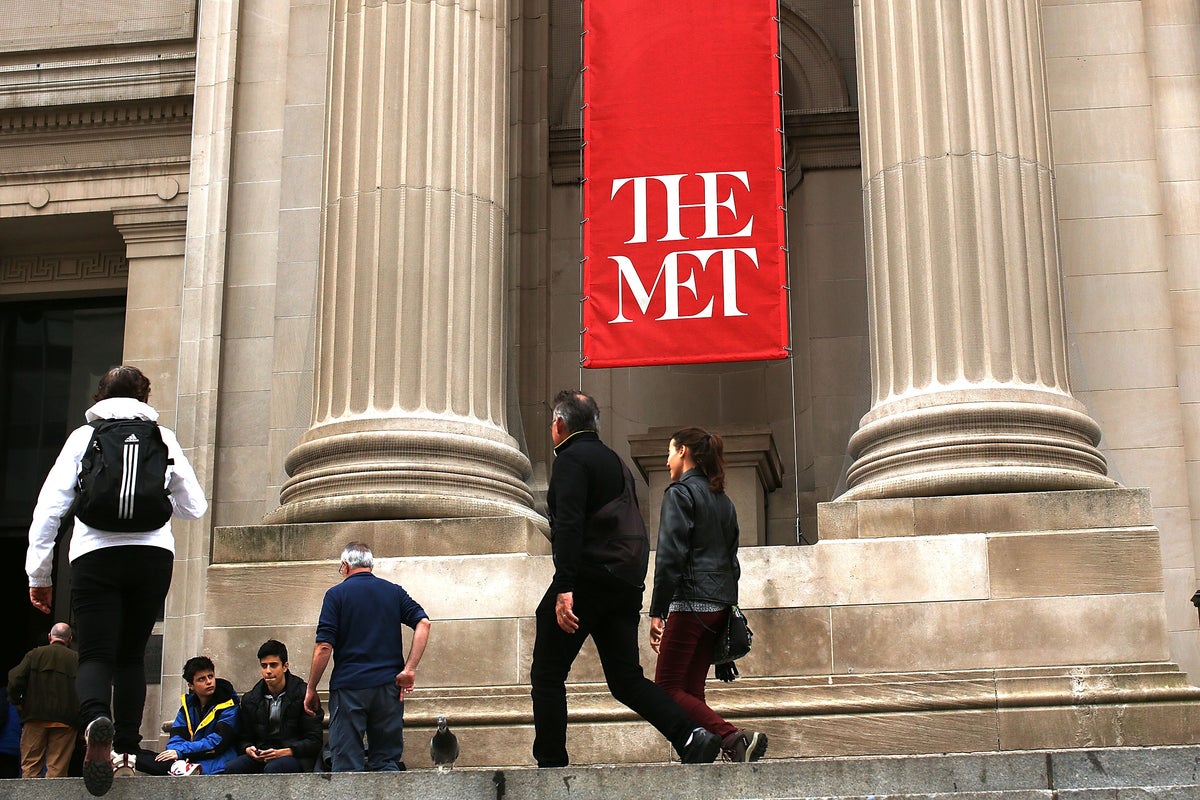
A recent outbreak of Legionnaires’ disease in New York has affected 63 people, with the Metropolitan Museum of Art being one of 76 Upper East Side buildings ordered to clean their cooling towers. The disease is caused by the Legionella bacteria, which can thrive in cooling towers, and is typically contracted by breathing in contaminated water droplets or drinking contaminated water.
The museum has stated that it is working on the required clean-up and testing, and that visitors and staff are not at risk. The museum was closed on Wednesday to facilitate the process. The Guggenheim Museum, located nearby, was also among the buildings ordered to take action, but a spokesperson stated that there was no present danger.
New York City health officials are still working to determine the source of the outbreak, but testing cannot confirm the presence of live bacteria. Results take up to two weeks to return, and building owners are required by city law to test cooling towers for Legionella every 31 days.
As the search for the source continues, cases have continued to climb, with a dozen patients currently hospitalized and 40 discharged. Symptoms of Legionnaires’ disease include fever, chills, muscle aches, and cough, as well as headaches, fatigue, loss of appetite, confusion, and diarrhea. People over 50, smokers, and those with certain medical conditions are at increased risk of developing the disease.
There is no vaccine or medicine to prevent infections, but cases can be treated with antibiotics. Most people recover with early treatment, but the disease is fatal in about 10% of cases, according to the U.S. Centers for Disease Control and Prevention.
The outbreak has raised concerns about the spread of Legionnaires’ disease, particularly in large buildings with cooling towers. The city’s health department is working to identify the source of the outbreak and prevent further cases.