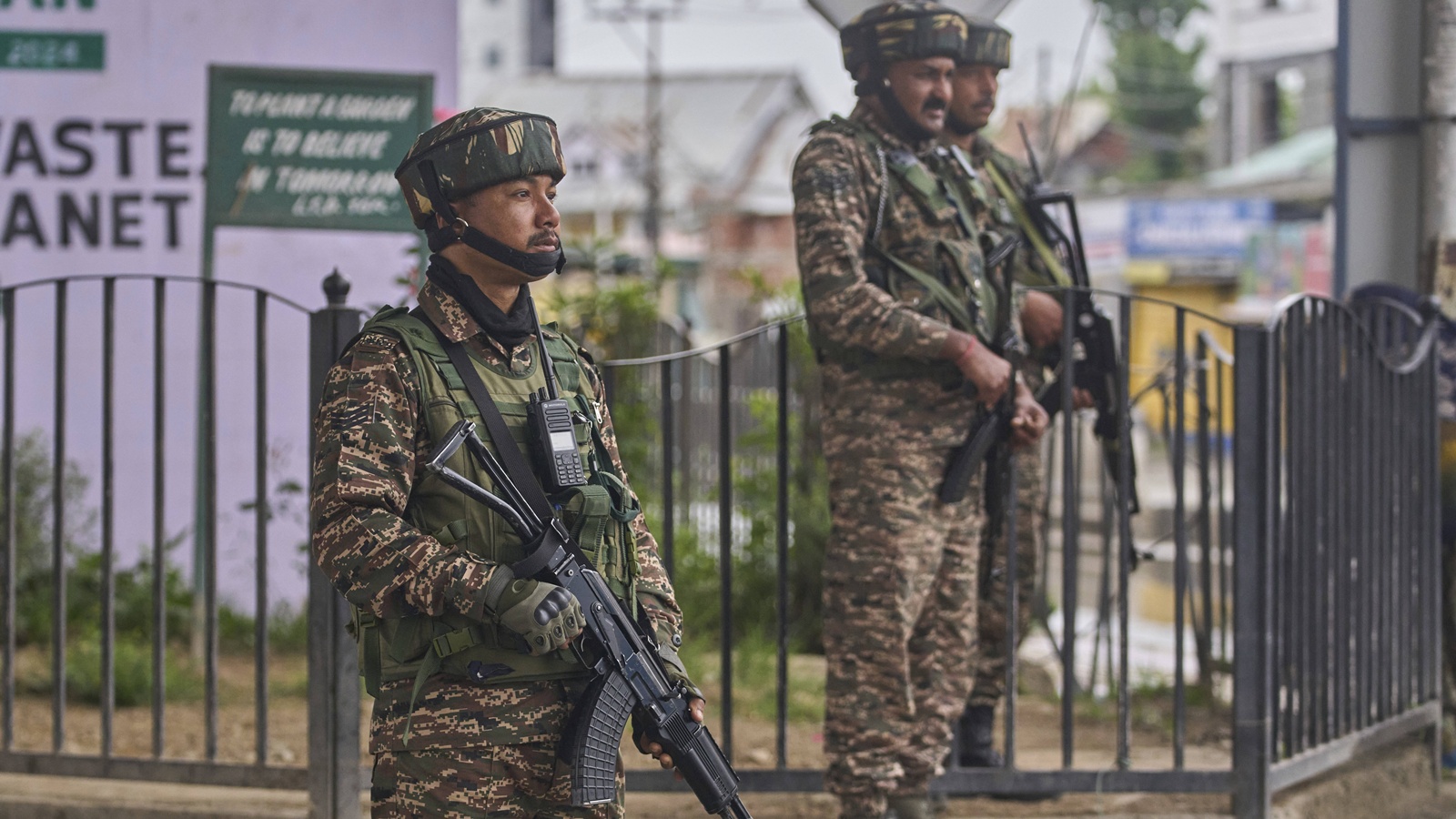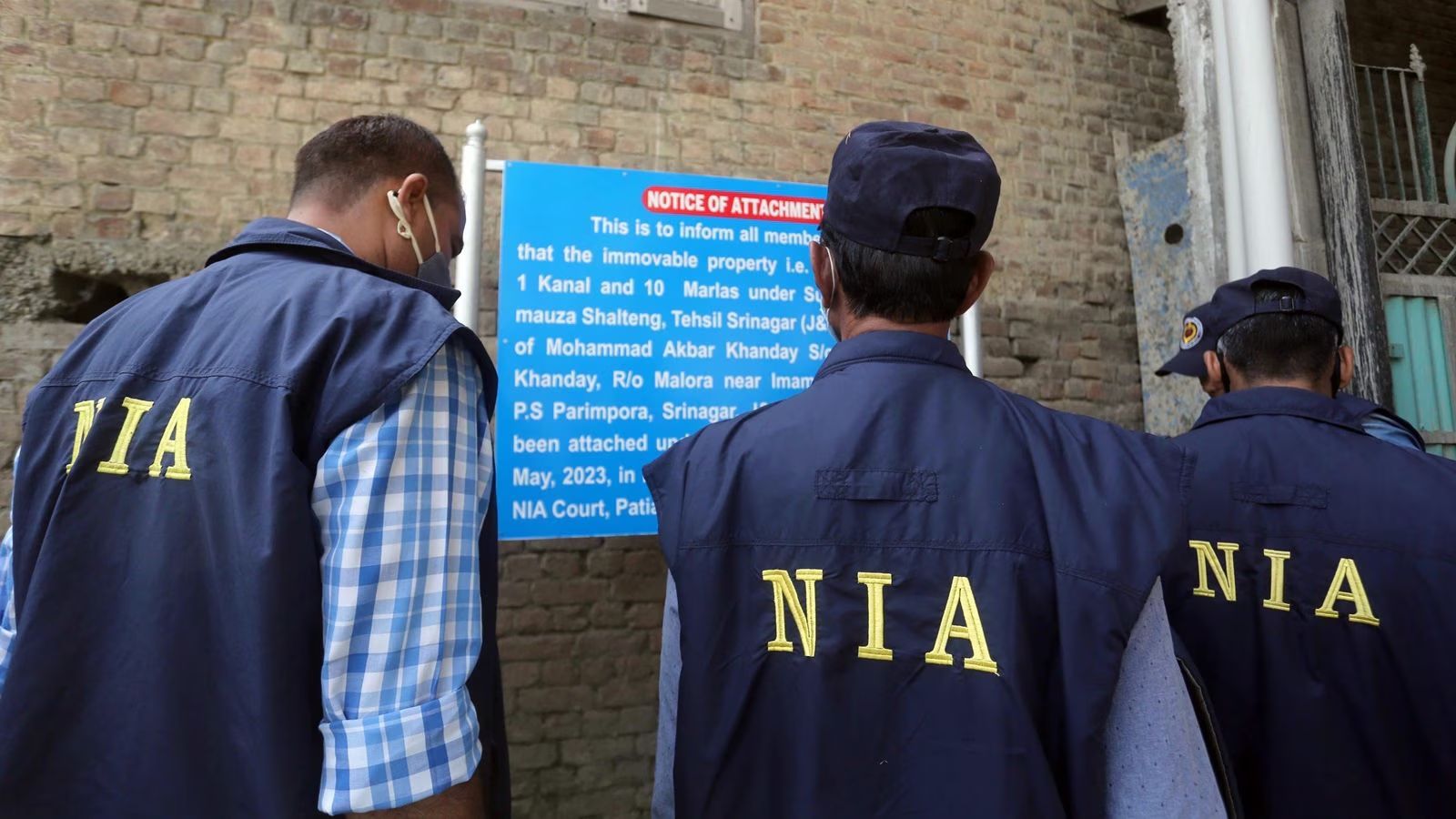
A National Investigation Agency (NIA) chargesheet has revealed that cross-border drones successfully dropped arms and ammunition in Kashmir’s Baramulla district without detection, highlighting a shift in terror logistics in the region. The chargesheet, filed in connection with last year’s Pahalgam terror attack, tracked the pre-attack movements of the terrorists who struck the popular Baisaran meadows, resulting in the death of 26 people, mostly tourists. The investigation has pointed to a critical drop in human intelligence gathering between 2022 and 2024 as a primary reason the terror cell was able to move freely through the valley undetected.
Security experts believe that an over-reliance on technical intelligence at the expense of cultivating local, ground-level human intelligence networks created an operational vacuum, allowing the perpetrators to scout targets, receive aerial weapon drops, and execute the high-profile strike without triggering early warning systems. The NIA chargesheet revealed that the terror group received a drone dropping at Gogal Dara forest, which contained 20 pistols, Rs 15 lakh, and triangle-shaped bombs (Chinese grenades) in early 2024. Experts argue that terror groups have been using higher ridges as safe havens and suggest that security forces should review their tactics and regain the trust of Gujjar and Bakerwal nomadic tribes, considered the ‘eyes and ears’ of the mountains.
The setback to gathering human intelligence came during 2022-23 when many ‘sources’ were abandoned, causing a deficiency of stable communication infrastructure and jeopardizing a partnership essential to regional security. The NIA chargesheet gave a graphic description of the movement of terrorists involved in the Baisaran attack, suggesting that they were passing through mountains and urban areas without getting noticed, a point that security experts attribute to a lack of human intelligence. In response to the attack, Indian armed forces launched Operation Sindoor, destroying terror infrastructure across the border.
The investigation highlights a worrying trend of handlers from across the border deploying unmanned aerial vehicles (UAVs) to deliver hardware and money directly to terror cells operating in north Kashmir’s Baramulla district. Gogal Dara forests, located in Baramulla district, are believed to have become a hotspot for drone dropping due to their proximity to the border. The chargesheet has sparked a debate among security analysts regarding structural blind spots, with experts arguing that the security forces should review their tactics and regain the trust of local communities to maintain regional security.